Why two tracts rarely cost the same
Ranch land isn't priced the way a house in a subdivision is. There's no per-square-foot rule and no two parcels are truly alike, so the value of any tract is the sum of several distinct factors that pull in different directions. Understanding those factors helps you read a listing critically and know what you're actually paying for.
Because pricing is so tract-specific, this guide stays deliberately qualitative. It explains the levers that move value rather than quoting numbers, since the only honest figure for a given parcel is the current one for that parcel. For pricing on a specific tract, ask us — we'll quote the property you're interested in.
Region, location, and proximity to metros
Where the land sits is usually the single biggest influence on value. A tract within easy driving distance of San Antonio or Austin draws from a much larger pool of weekend and recreational buyers than one several hours out, and that demand shapes price. The eastern Hill Country, closer to the metros, tends to command more than the more remote western reaches of the Edwards Plateau or the far country toward the Trans-Pecos.
Proximity matters because it determines how usable the land is for the way most buyers live. A property you can reach in an hour or two gets used more often and competes for more buyers; one that takes a long haul appeals to a smaller, more dedicated audience. Neither is better — but the difference shows up in price per acre.
Water and access
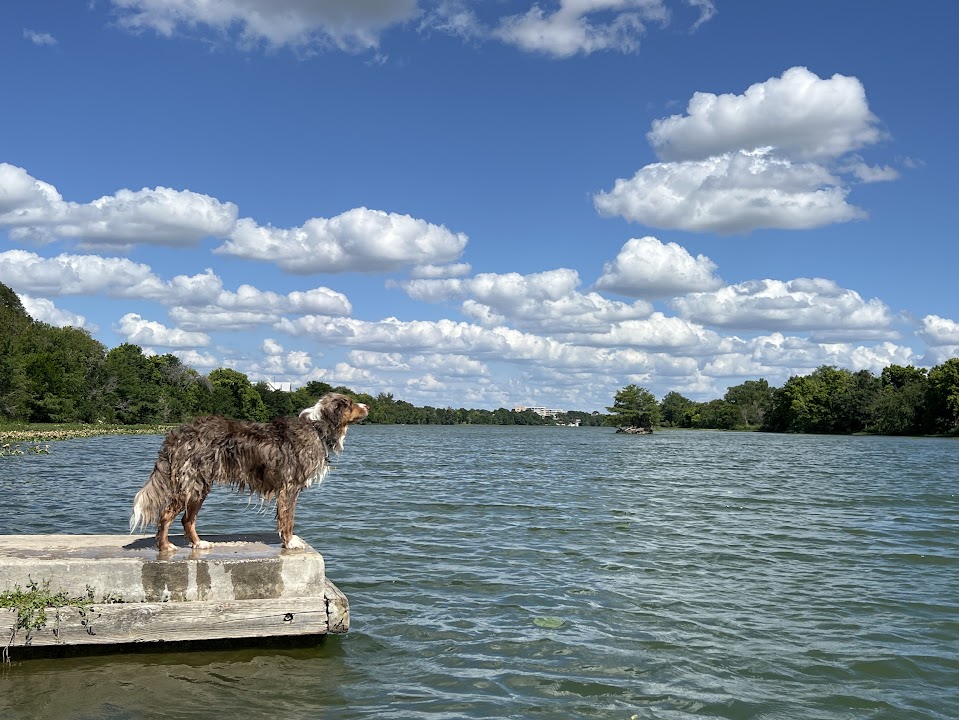 Water is one of the strongest value drivers on rural land. A reliable well, dependable surface water such as a stock tank or creek, and especially live river or creek frontage all add meaningfully to a tract, because water determines what the land can support — wildlife, livestock, recreation, and a homestead. Frontage on a named river is comparatively rare and is valued accordingly.
Access is the other fundamental. Land you can legally and easily reach is worth more than land that's hard to get to or whose access is uncertain. Deeded access on a graded ranch road — the way we sell our tracts — means your right to reach the property is written into the deed and the road is maintained for vehicles, rather than depending on a neighbor's goodwill or a raw two-track. Road frontage and the quality of that access feed directly into value.
Game, terrain, and usable acreage
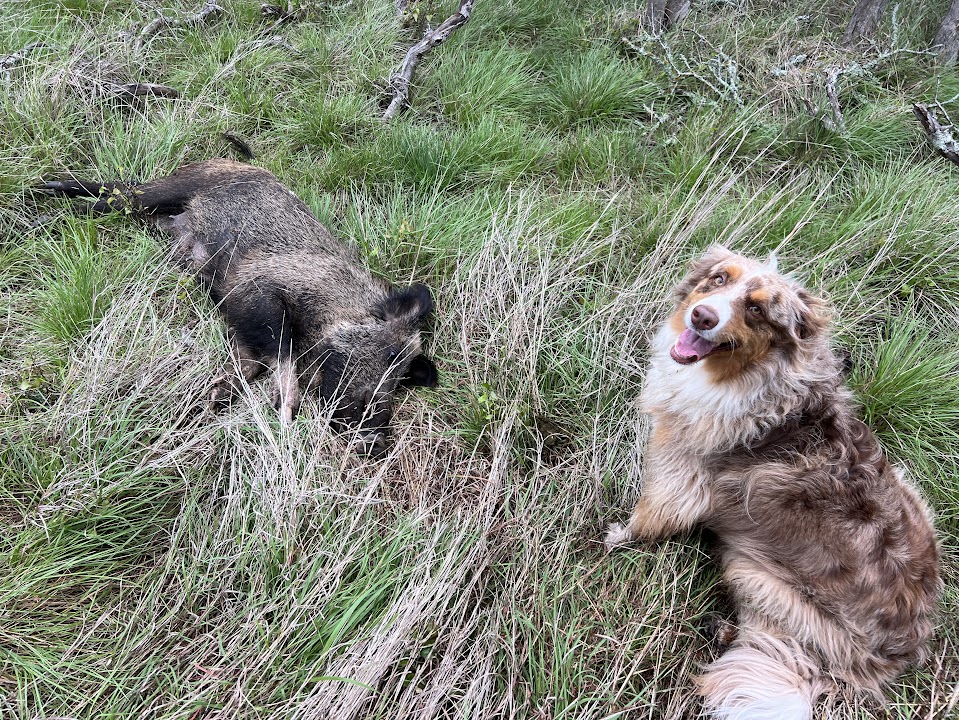
Hunting and wildlife quality move price wherever recreation drives demand. A tract with a strong native deer population, turkey, established free-ranging exotics, good cover, and surrounding country that holds game is worth more to a recreational buyer than open ground with little habitat. The reputation of the broader area for hunting feeds into this as well.
 Terrain and usable acreage matter because not every acre is equal. Gentle, accessible ground with good building sites, a mix of cover and open grazing, and views or elevation tends to carry more value than land that's all steep canyon or impenetrable brush. Two tracts of the same size can differ sharply in price when one is largely usable and the other mostly is not.
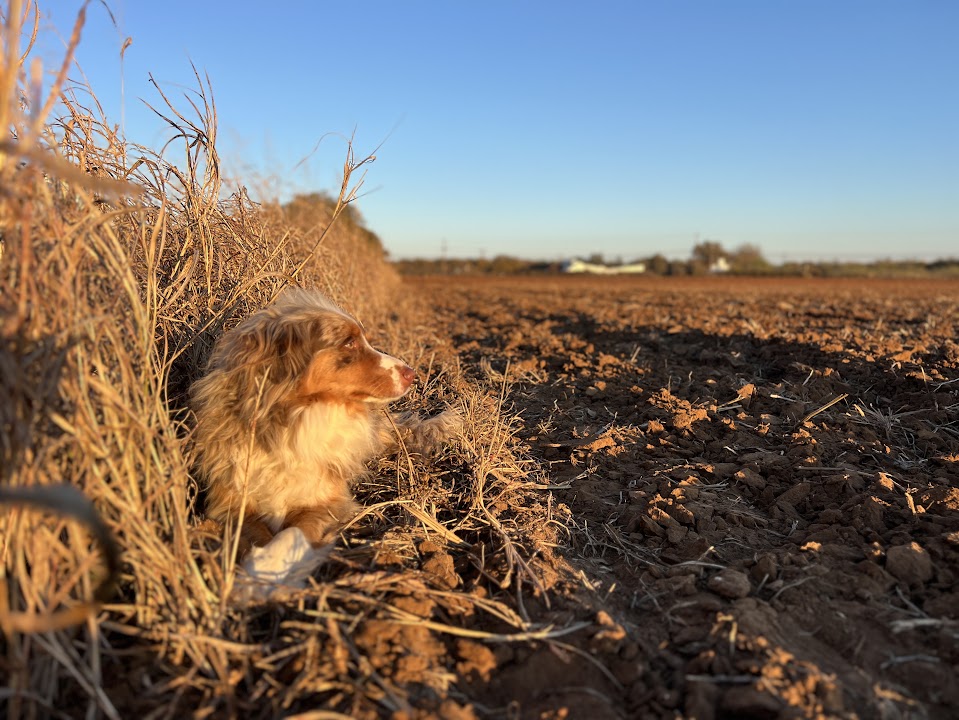
Tract size and improvements
Tract size affects the per-acre figure in ways that can surprise first-time buyers. Smaller, more affordable tracts often carry a higher price per acre because they appeal to a wider set of buyers, while very large ranches can show a lower per-acre number even as the total price climbs. Size also interacts with use — a tract large enough to manage for wildlife or run livestock is a different proposition than a weekend recreational parcel.
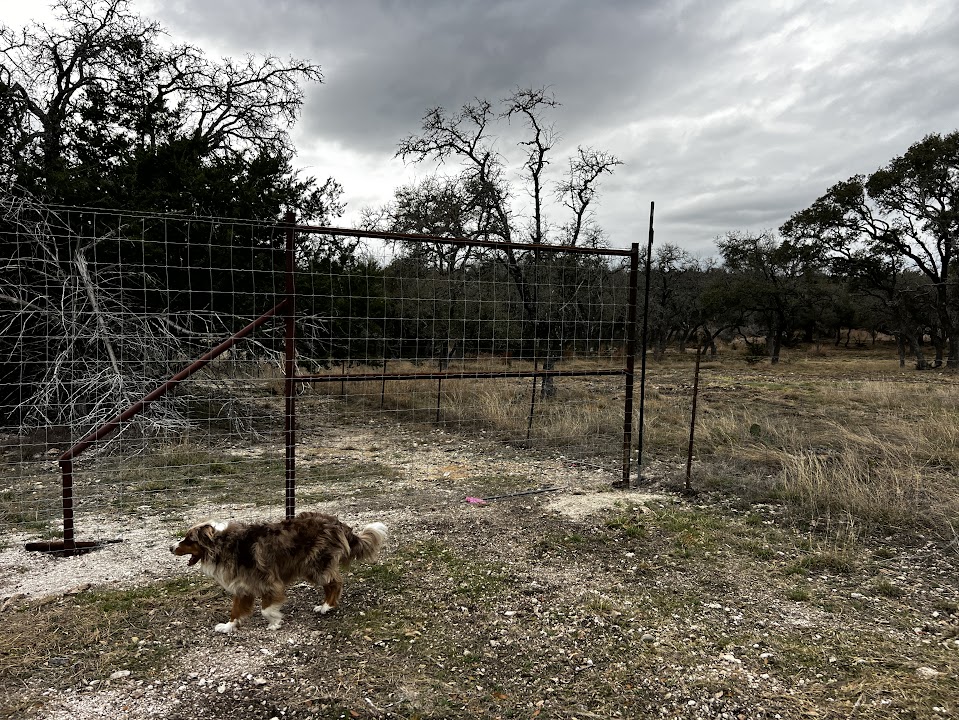
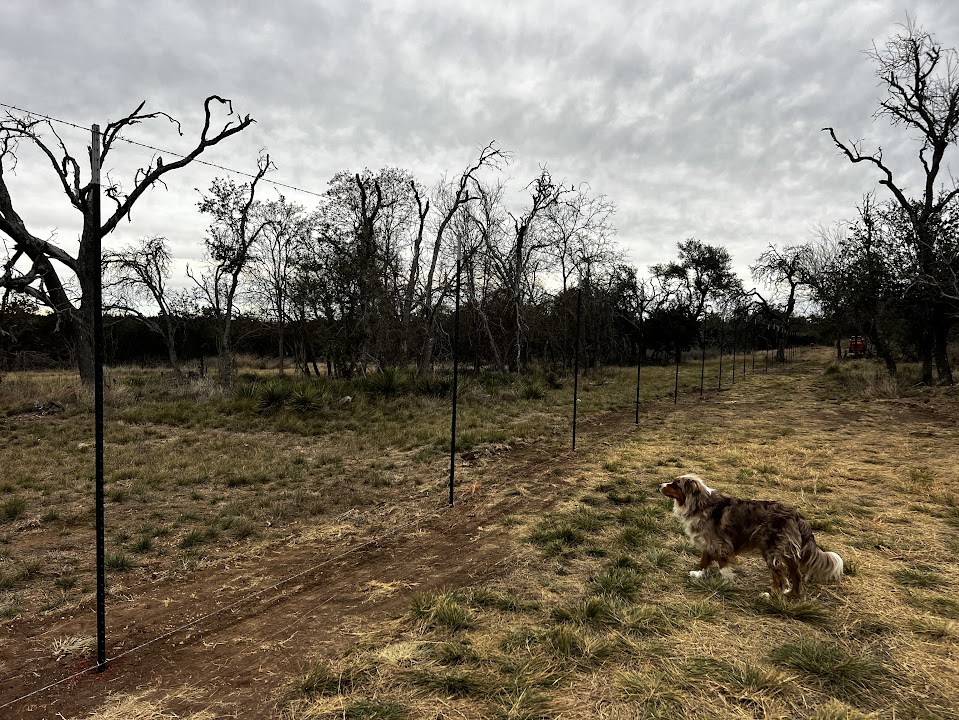
Improvements round out the picture. Fencing, a well, electric service, a cabin or barn, cleared building sites, interior roads, and similar work all add value because they save the next owner time and money. A surveyed boundary and light restrictions that protect the land's character also support value over time. Because every one of these levers varies from parcel to parcel, the price of any specific tract is best answered directly — ask us for current pricing on the property you have in mind.