
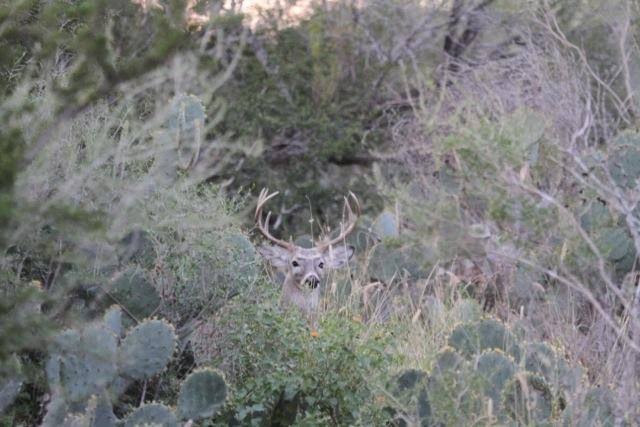
Native game and TPWD seasons
Texas's native game is what most buyers picture first: white-tailed deer, Rio Grande turkey, dove, and quail. These species are regulated by Texas Parks & Wildlife (TPWD), which sets the seasons, bag limits, and license requirements that hunters must follow. The framework changes from year to year and can differ by county or zone, so the dates and limits for any given season should always be checked rather than assumed.
Because native-game regulations are set by the state and updated regularly, we don't list specific dates here — they'd be out of date as soon as TPWD revises them. The reliable move is to confirm current seasons, bag limits, and license rules directly with TPWD before you plan a hunt.
Free-ranging exotics
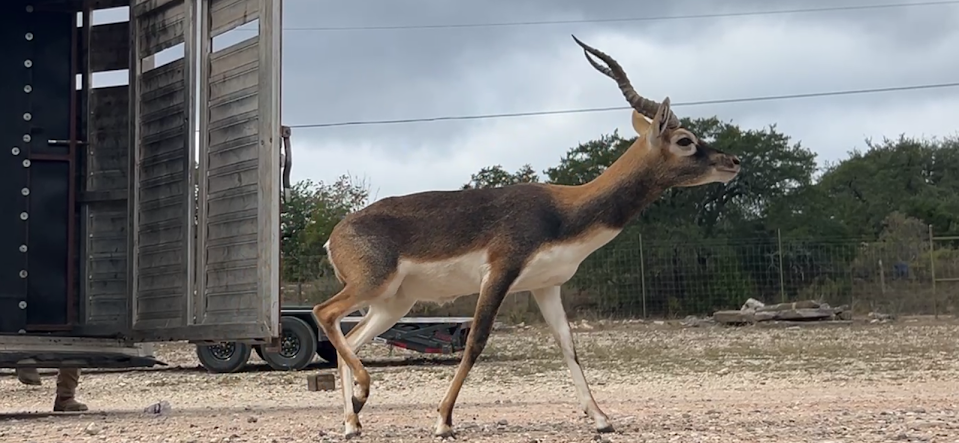
Texas is unusual for its free-ranging exotic species — animals not native to North America that have established wild, free-roaming populations. Axis deer, aoudad (also called Barbary sheep), blackbuck, and several others fall into this group. TPWD classifies these as exotic animals rather than native game.
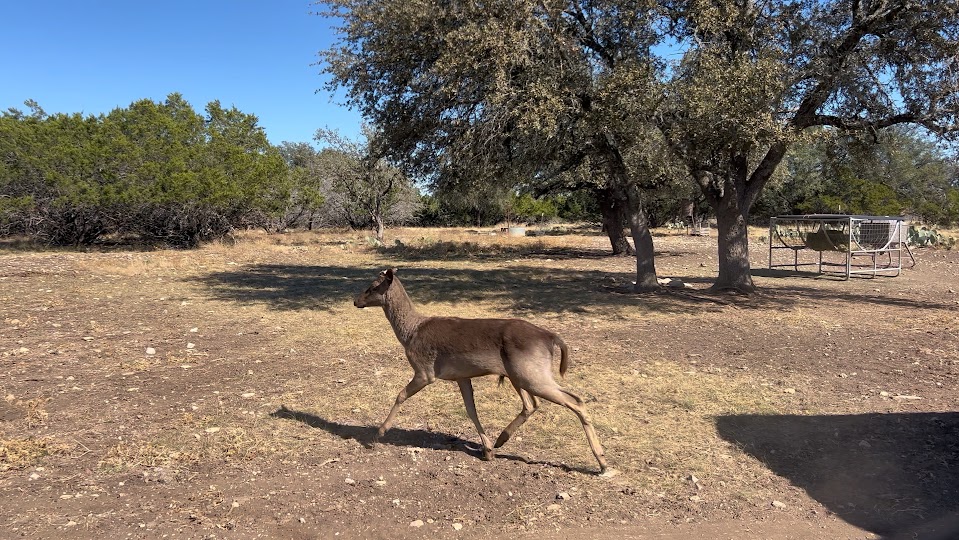
Because they're classified as exotics, free-ranging exotics can generally be hunted year-round on private land, with a valid Texas hunting license and the landowner's permission, rather than within a fixed season. That year-round opportunity is part of what makes Texas distinctive for hunters. Even so, classifications and requirements can change, so confirm the current rules for any species with TPWD before you hunt it.
Feral hogs
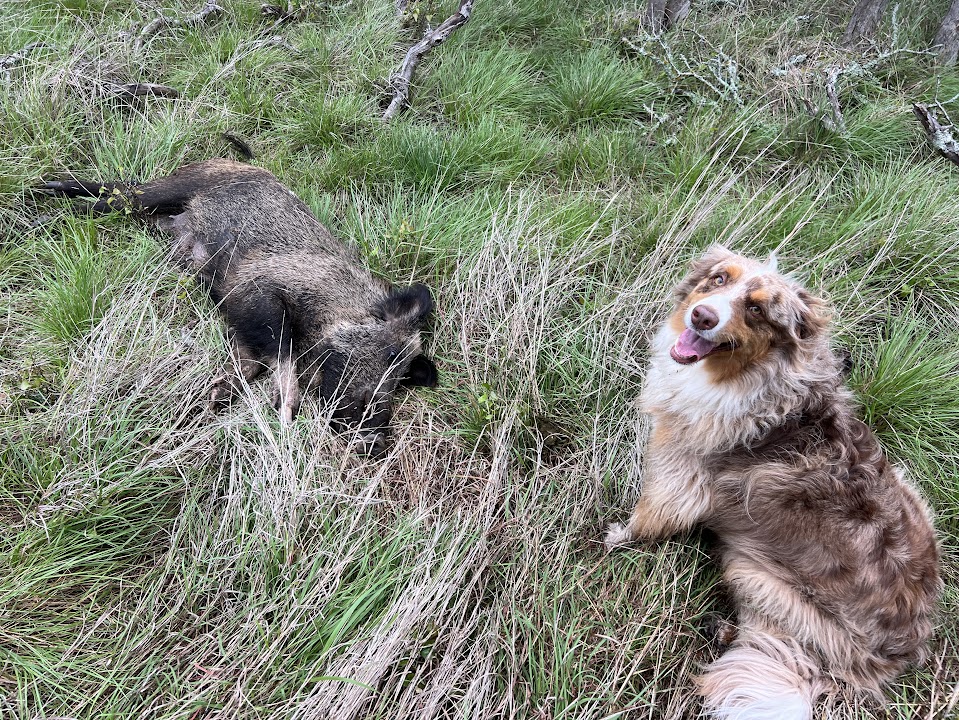
Feral hogs are widespread across much of Texas and are treated very differently from game animals. They are considered a nuisance and invasive species, and there is no closed season on them — they can be hunted year-round. A hunting license is generally required when hunting them recreationally, so confirm the current requirement with TPWD.
For landowners, hogs are as much a management issue as a hunting opportunity, since they damage fences, crops, and habitat. Many buyers find that hog hunting becomes part of caring for the land rather than just a seasonal pursuit.
How it varies by region
What you can realistically hunt depends heavily on where the land is. In the Hill Country and across the Edwards Plateau, native whitetail and Rio Grande turkey are joined by well-established free-ranging axis deer, making this one of the better-known regions for exotics alongside native game.
West Texas and the Trans-Pecos are aoudad and mule deer country — rugged, open terrain where free-ranging aoudad are a signature draw. South Texas, by contrast, is famous for trophy white-tailed deer and for its quail. These are general patterns; the species actually present come down to the individual tract and its surroundings.
Confirm before you plan
The single most important habit for any hunter in Texas is to verify the current rules before each season. Seasons, bag limits, zone boundaries, license requirements, and even species classifications are set by TPWD and revised periodically, and county-level differences are common.
We're glad to share what we know about the game on or around a specific tract — and our surveyed tracts come with deeded access on graded ranch roads and light restrictions that keep recreational and hunting use open. But TPWD is the authority on what you may hunt and when, so confirm the current seasons and regulations with them before you head out.