Loading ranch…

Lot 167
$73,476
$4,995/acre
14.71 acres · Tortuga Ranch29 of 48 tracts left · 8 sold in the last 30 days
Level TerrainExisting Ranch RoadDry CreekMesquite ThicketsPipe Pens On SiteOwner Finance
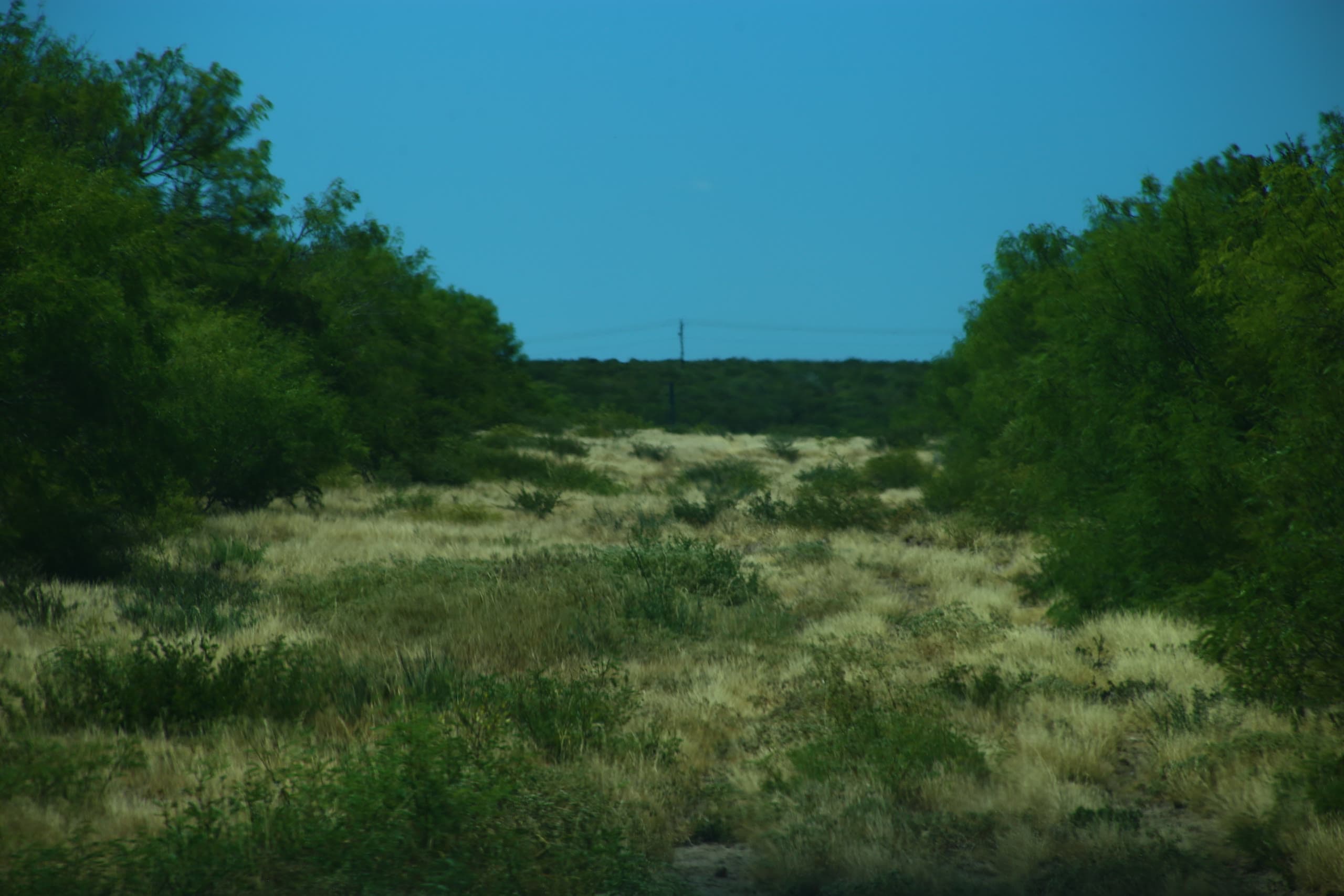
Flat land is worth something in this part of Texas, and Tract 167 is flat. Seven feet of fall from one end of it to the other, and that's the whole story of the elevation. What these 14.71 acres are best at is being easy: easy to drive, easy to set a trailer on, easy to put a barn or a set of pens exactly where you want them instead of where the dirt allows. As ranch land for sale on Tortuga Ranch in Duval County, this one doesn't dress itself up. It's a level piece of South Texas mesquite country that you can use the week you close.
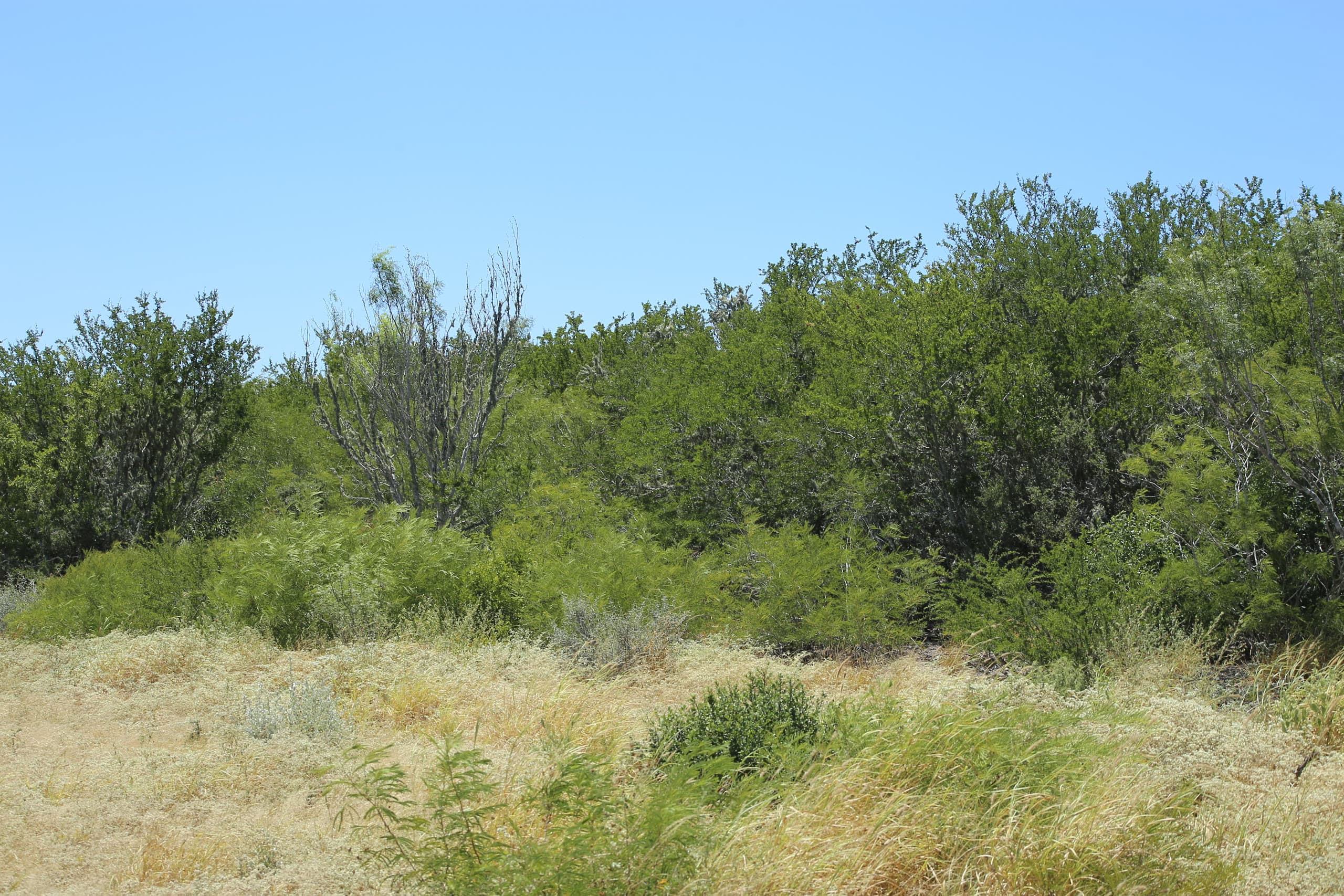
A draw cuts the west end, near 110 ft of it, dry more days than not and carrying water only when a hard rain sheets off the flat. That's where the mesquite and huisache grow rankest, and it's the lane deer and hogs travel between shade and feed. Look there first at daylight. The sand in the bottom takes a track like wet cement after a soak, so by morning you'll know what has been living on the place and which way it moved.
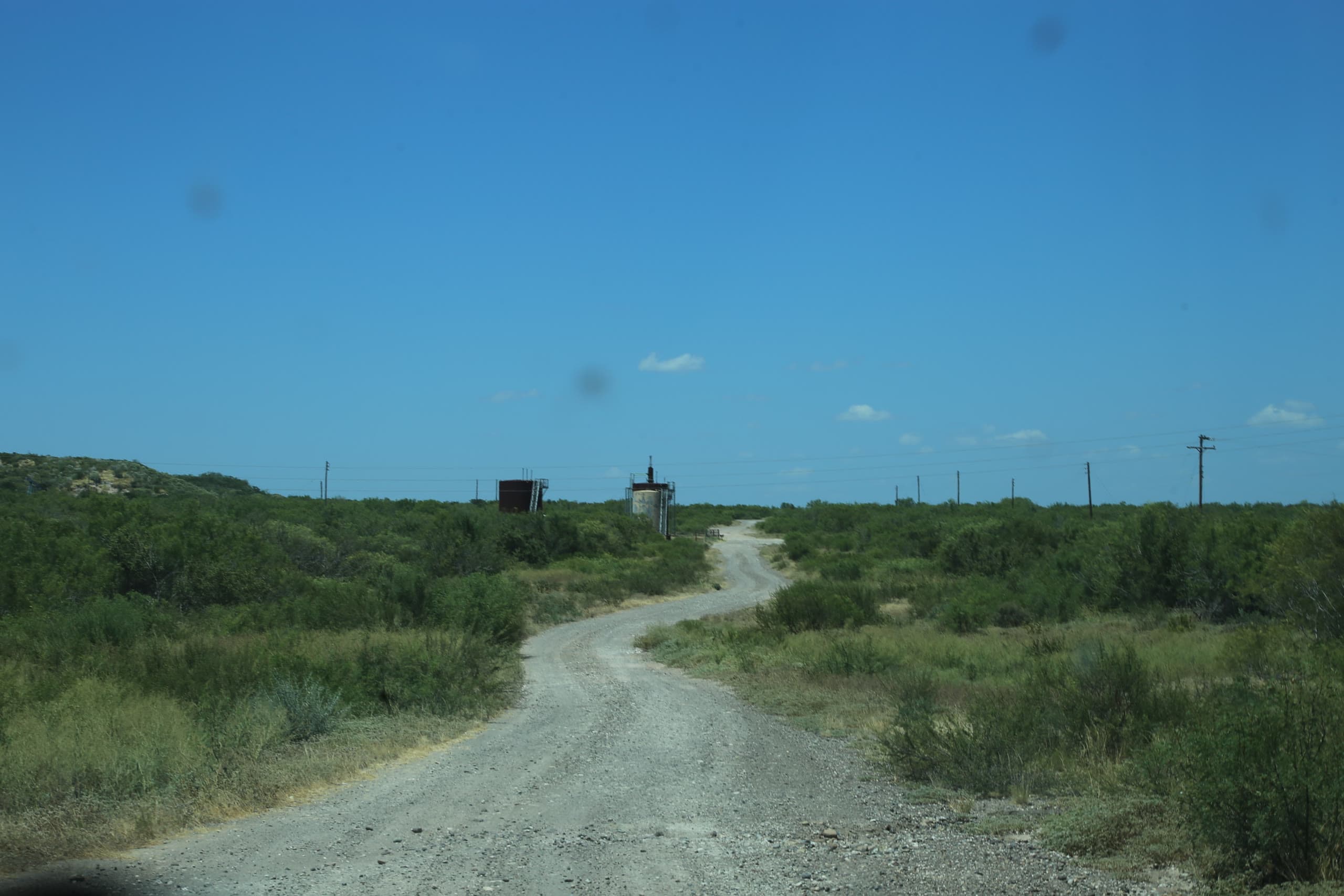
Near the southeast corner there's some 310 ft of dirt ranch road already cut and packed hard by years of traffic. That's a head start worth having. A drive laid in from there costs far less than starting fresh in loose sand, and you won't need a dozer to do it. How the ranch roads tie in is spelled out in the deed and the recorded plat, and we'll read both of those with you before anybody signs. Fence lies along the southern edge, most of that stretch. The recorded survey sets your corners, not the wire, and we'll show you where it puts them.
Pipe pens sit in the mesquite here, panels and a chute and a feed trough, all rusted the same red as everything else that has been outdoors in this county a while. Mesquite has grown right up in some of the panels. Cattle shade up in them with red tags in their ears, and the sand around the trough is beaten smooth. Hogs root that same sand at first light, two and three at a time, heads never lifting. What stays with the land and what leaves with the current owner is a question to put to us directly, and you'll get a straight answer.
Vaqueros were handling stock on this county's Spanish land grants by 1815, before Texas was Texas, and the 1880 census counted close to 197,000 sheep here, said to be more than any county in America at the time. Land grazed that many generations grows thorn thick and fast. Today the mesquite thickets are known among South Texas hunters for quail and whitetail, and the country earns its keep two ways at once: cattle in the pastures, a pumpjack rocking away past the treetops with power poles marching out to meet it. A windmill tower stands against the sky in the middle distance. It's live country, not a museum piece.
Every tract here was surveyed before it was offered, and the restrictions are light enough to read in one sitting, which we'd encourage you to do; ask and we'll hand you a copy. We carry the financing ourselves, and 5% up front is enough to get started. The best time to see this one is a cool morning in late fall, when the mesquite has thinned some and you can judge how far the flat carries. Call ahead. We'll meet you at the pens, drive the dirt near the southeast corner, and put you in the draw on the west end so you can see for yourself what the water does when it comes.
Where Lot 167 sits
Similar lots
Lot 167 — common questions
- Is Lot 167 at Tortuga Ranch still available?
- Yes — Lot 167 is listed and openly available at $73,476. Inventory moves; booking an appointment or calling (830)-307-7533 is the fastest way to hold your place.
- Can I buy Lot 167 at Tortuga Ranch with owner financing?
- Ask us — Guadalupe Ranch Co. is the owner-seller and finances most tracts in-house with low down payments and no bank qualifying. Call (830)-307-7533 for this lot's options.
- How big is Lot 167 at Tortuga Ranch and where is it?
- Lot 167 is 14.71 acres at Tortuga Ranch in DUVAL County, Texas. It's surveyed with deeded access on graded ranch roads.
- Can I walk Lot 167 at Tortuga Ranch before buying?
- Yes — book an appointment right from this page (takes about a minute) or call (830)-307-7533. A guide who knows the ranch will meet you at the gate and walk the corners with you.