Loading ranch…

Lot 236
$122,078
$4,995/acre
24.44 acres · Tortuga Ranch29 of 48 tracts left · 8 sold in the last 30 days
Dry CreekExisting Ranch RoadHeavy CoverRolling TerrainOwner Finance
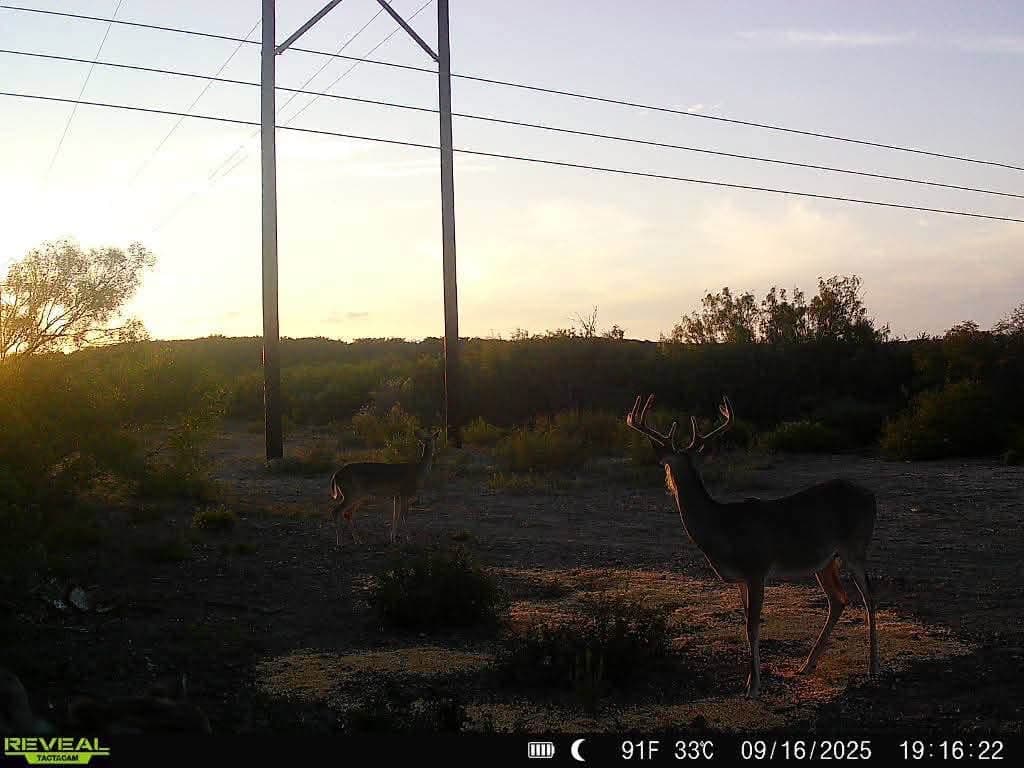
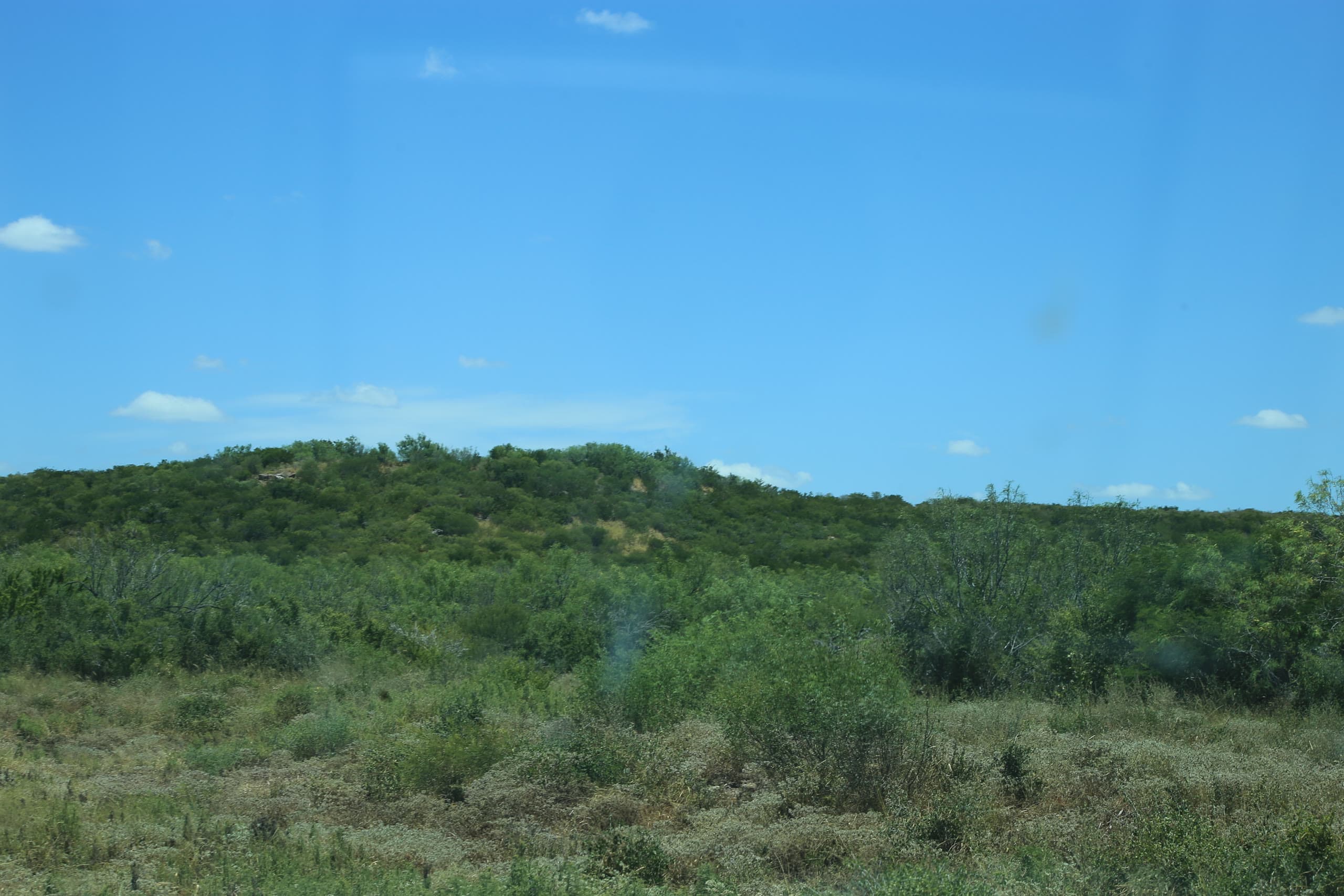
Quail and whitetail. That's what these 24.44 acres are best at, and there's no sense selling them as anything else. The mesquite and huisache grow so dense here that a man in a green shirt disappears at forty yards, and the bunchgrass filling the openings between thickets stays tall enough that a covey can sit tight until you're nearly on top of it. Ranch land for sale on Tortuga Ranch in Duval County, Texas, small enough that you'll know every thicket on it by your second season.
A seasonal draw cuts the tract in half, east to west, the better part of 1,000 feet of it crossing the middle. That's the travel lane. Deer favor draws in this country because the thornscrub along the banks grows heavier and the shade sits deeper, and after a rain there's sand in the bottom that will read out everything that crossed in the night. A second, shorter draw drops in near the east end, only 40 feet of it inside your corners, though it feeds the same drainage. Neither one carries water except when the weather sends it, and we'll take you to both, wet or dry, whichever way the year has been going.
At the north end there's an existing dirt ranch road, better than 1,100 feet of it stretched east to west and already packed hard. That's your natural way in with a truck and trailer, and it's where you'd unload before the season's first morning. It also makes a ready-made lane for a slow evening drive with the windows open. It's an existing road and nothing more than that, so we'll lay the plat out for you and you can read how the way in is recorded on the ranch roads for yourself.
The land rolls gently, some 22 feet of fall from one end to the other, enough that water has somewhere to go and enough that the flats don't read as flat when you're out in them. Past the tract, low rises carry the same mesquite clear to their crowns, with pale caliche showing where a slope breaks. Big sky, hard sun, and the greens go deep after a wet week.
This has been ranch country a very long time. Vaqueros were moving stock across Spanish grants in this county by 1815, two decades ahead of the Republic, and by the 1880 census the same thornscrub reportedly carried close to 197,000 head of sheep, more than any other county in the nation. The oilfield arrived later and never entirely left. Drive the caliche out here and you'll pass a rusted Humble Refining sign punched full of buckshot, an old wellhead going quietly orange in the grass beside it.
Every tract on this ranch was surveyed before it was offered, so your corners are your corners and you're not guessing at them. Restrictions stay light, the way ranch country ought to be. Ask us how the ag and wildlife valuation reads on this one rather than assuming anything about it, and ask us about owner financing too, since 5% up front is enough to open a note with us.
Best time to see it is fall, a few days after a rain, when the sand in the draw is fresh and the birds are moving. Bring snake chaps, sleeves that button at the wrist, and a pair of loppers if you want to get off the road. We'll start you at the north end where the dirt road comes in, put you down in the middle where the draw crosses, and let you take your time from there.
Where Lot 236 sits
Similar lots
Lot 236 — common questions
- Is Lot 236 at Tortuga Ranch still available?
- Yes — Lot 236 is listed and openly available at $122,078. Inventory moves; booking an appointment or calling (830)-307-7533 is the fastest way to hold your place.
- Can I buy Lot 236 at Tortuga Ranch with owner financing?
- Ask us — Guadalupe Ranch Co. is the owner-seller and finances most tracts in-house with low down payments and no bank qualifying. Call (830)-307-7533 for this lot's options.
- How big is Lot 236 at Tortuga Ranch and where is it?
- Lot 236 is 24.44 acres at Tortuga Ranch in DUVAL County, Texas. It's surveyed with deeded access on graded ranch roads.
- Can I walk Lot 236 at Tortuga Ranch before buying?
- Yes — book an appointment right from this page (takes about a minute) or call (830)-307-7533. A guide who knows the ranch will meet you at the gate and walk the corners with you.