Bill Mason's program went out at 12:30 every day on KBKI in Alice, a station George Parr partly owned. On July 28, 1949, he opened with: "I'm going to take the gloves off today in the prostitute situation and start swinging." Then he named Deputy Sheriff Sam Smithwick as the owner of the land under the Rancho Alegre, a dance hall outside town that was, as the Court of Criminal Appeals later put it, "a place where immoral people met and prostitutes plied their trade." He had one more broadcast in him and never gave it.
A newspaperman's road to Alice
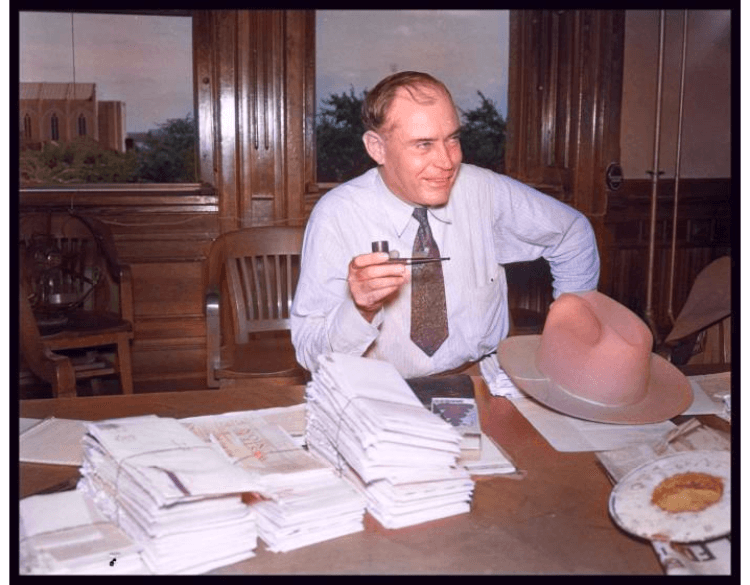
William Haywood Mason was born in Minneapolis on January 2, 1897, served in the First World War, and got his first reporting job at the Minneapolis Journal in December 1919. The next 30 years were a working journalist's map: San Francisco papers, the Detroit bureau of the New York Times, public relations for General Tire in Akron, press agent in Mexico City for Miguel Alemán's 1946 presidential campaign, a copy desk at the San Antonio Light. In July 1948 he came to Alice to edit the Alice Echo and write a column called Street Scene. He left the paper that December and went on the radio with "Bill Mason Speaks," a daily quarter hour on the police, the gambling and the county. The county belonged to the Parrs, and the whole of that is in Duval County.
July 29, 1949
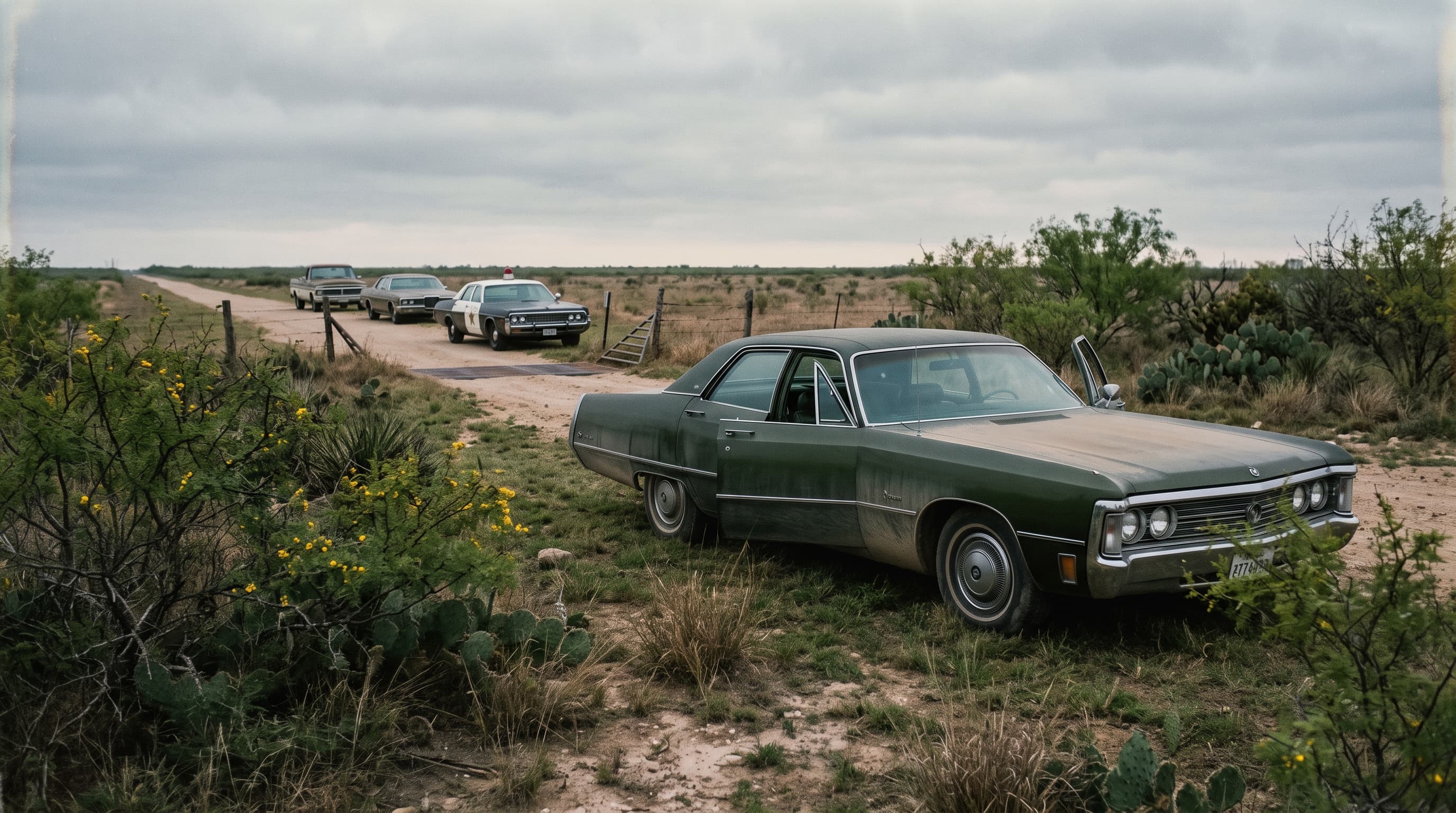
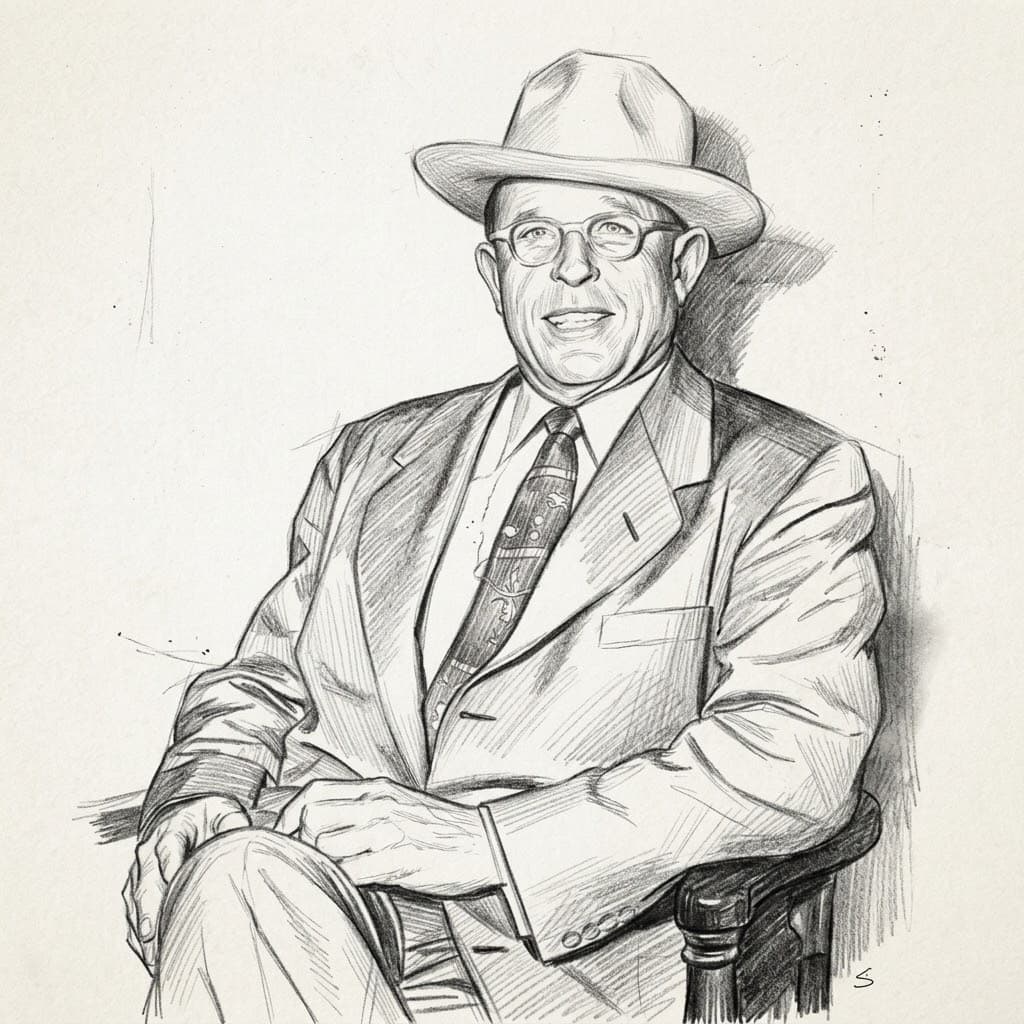
Sam E. Smithwick was born January 18, 1889, and had been a Jim Wells County deputy for 24 years. A former deputy later testified that he carried 70 percent of the dance hall's take to Smithwick. The day after the broadcast, at the southwestern edge of Alice, Smithwick stopped Mason's car. A passenger, Alevino Saenz, was in it. Smithwick shot Mason once in the chest, above the heart, with a .45 that had a deputy's badge worked into the grip. Mason called for help and died. Smithwick said Mason had reached for a gun. Witness after witness said there was no gun.
Four or five hundred people came to the funeral in Alice. The trial was moved on September 12, 1949, to Bell County, 250 miles north, and on January 26, 1950, a Belton jury found Smithwick guilty of murder with malice and gave him life. The Court of Criminal Appeals affirmed it that year.
Huntsville
Smithwick did not finish 2 years of it. Early in 1952 he wrote to Coke Stevenson, who had lost the 1948 Senate race by 87 votes to the amended return from Precinct 13 in Alice, and said he knew where the Precinct 13 ballot box was and could produce it. Stevenson set out for Huntsville. On April 15, 1952, before he got there, Smithwick was found hanged in his cell. The state called it suicide. His son told the Houston papers he believed his father had been killed for knowing too much about the elections in Jim Wells and Duval counties. Nobody has proved either.
After
On Mason's gravestone are words the prosecutor, James K. Evetts, said at the trial: "He died because he had the nerve to tell the truth for a lot of little people." Jim Bob Moore, who has written about the case, calls him the only broadcast journalist in Texas history killed for doing his job, and nobody has offered a second name.
Sources: Smithwick v. State, 234 S.W.2d 237 (Tex. Crim. App. 1950); Handbook of Texas, entries for George Berham Parr and Duval County; Robert Caro, "Means of Ascent" (Knopf, 1990); Corpus Christi Caller-Times and Alice Echo, July 1949 to January 1950; Jim Bob Moore, "Brush Country" and "Remember Bill Mason," Texas to the World; University of Texas at Arlington Libraries, Fort Worth Star-Telegram collection, "Smithwick Murder Trial."