In September 1948 a 60 year old former governor of Texas walked down a street in Alice, Jim Wells County, with Frank Hamer beside him, to look at a piece of paper in a bank vault. The paper was the tally sheet for Precinct 13. The last 200 or so names on it were in a different ink from the thousand above them, in one handwriting, and in alphabetical order. He had lost the United States Senate by 87 votes, and here was where.
Junction
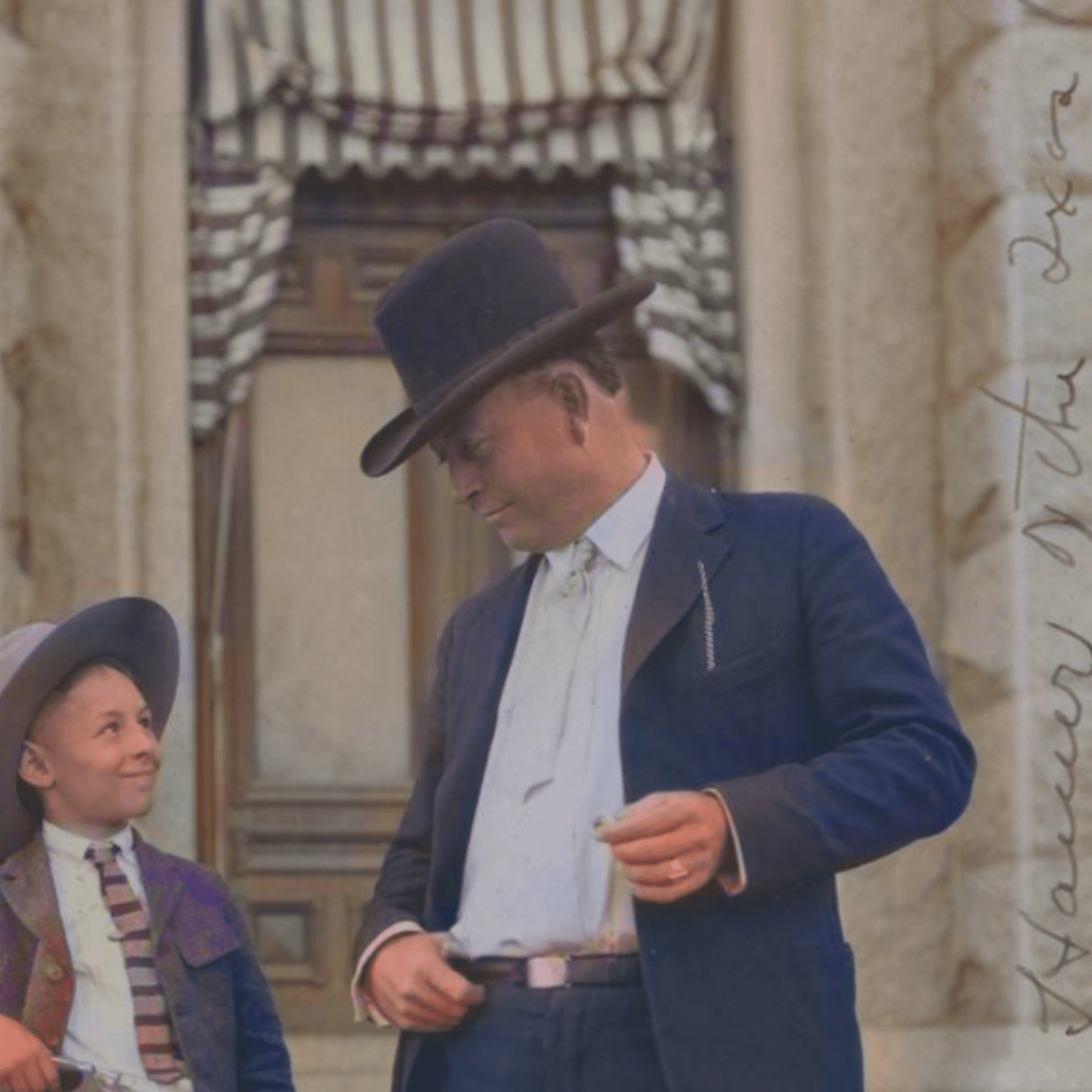
Coke Robert Stevenson was born in a log cabin in Mason County on March 20, 1888, named for a Methodist bishop. His father kept a store in Junction, in Kimble County, and as a teenager Coke hauled freight by wagon between Junction and Brady, studying bookkeeping and history by the campfire. He sold the freight line, swept floors at the Junction State Bank, worked up to bookkeeper, read law, and passed the bar in 1913. The same year he helped found a bank in Junction and married Fay Wright on Christmas Eve, 1912. Before he was 35 he had been county attorney, county judge and the owner of a good part of the town.
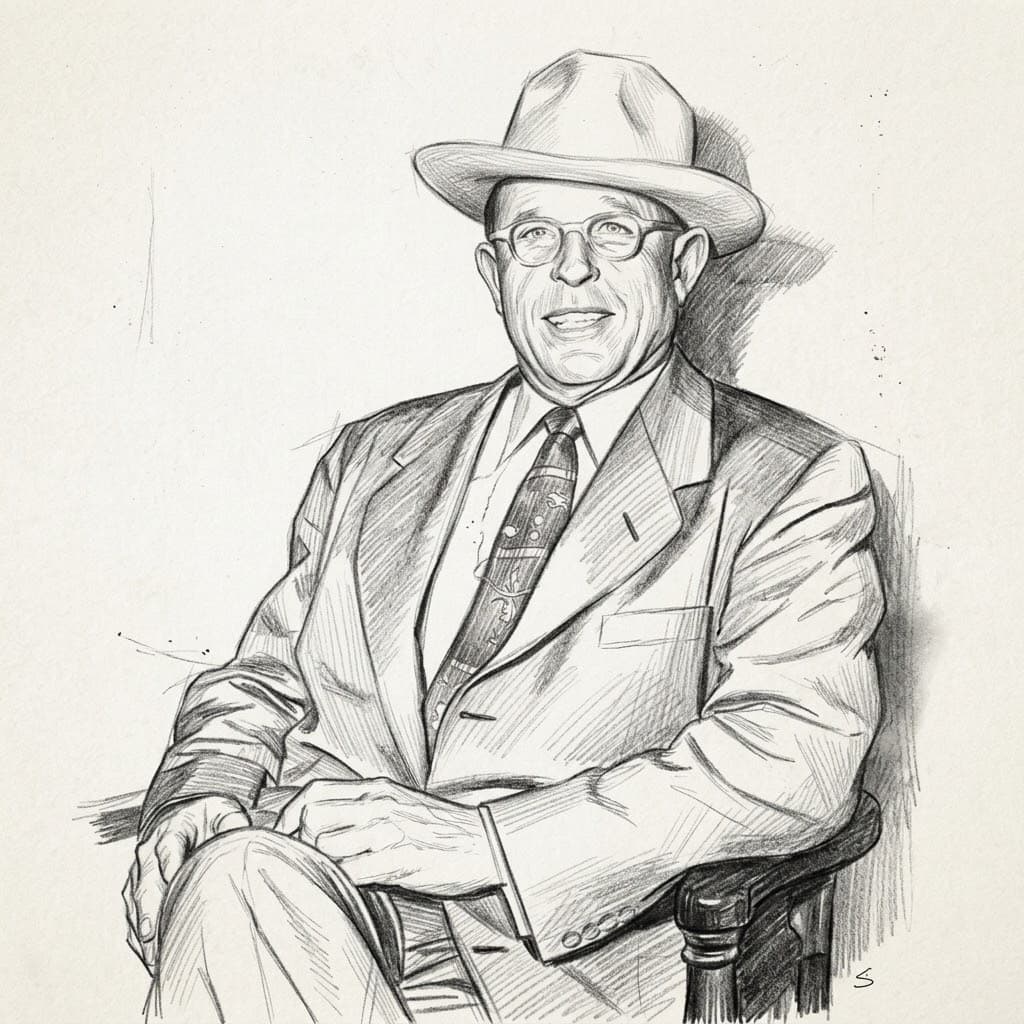
He went to the Texas House in 1929, was Speaker from 1933 to 1937, the first man to hold the chair 2 terms running, and lieutenant governor in 1939. When W. Lee O'Daniel went to the Senate in August 1941, Stevenson became governor. Fay died that January, 5 months into his term. He was elected in 1942 and again in 1944 and served until January 1947, the longest unbroken tenure in the office to that point. He took over a treasury in deficit and left it in surplus, mostly by not spending. The press called him Calculatin' Coke. His admirers called him Mr. Texas. He smoked a pipe and said little, and both habits became politics.
1948
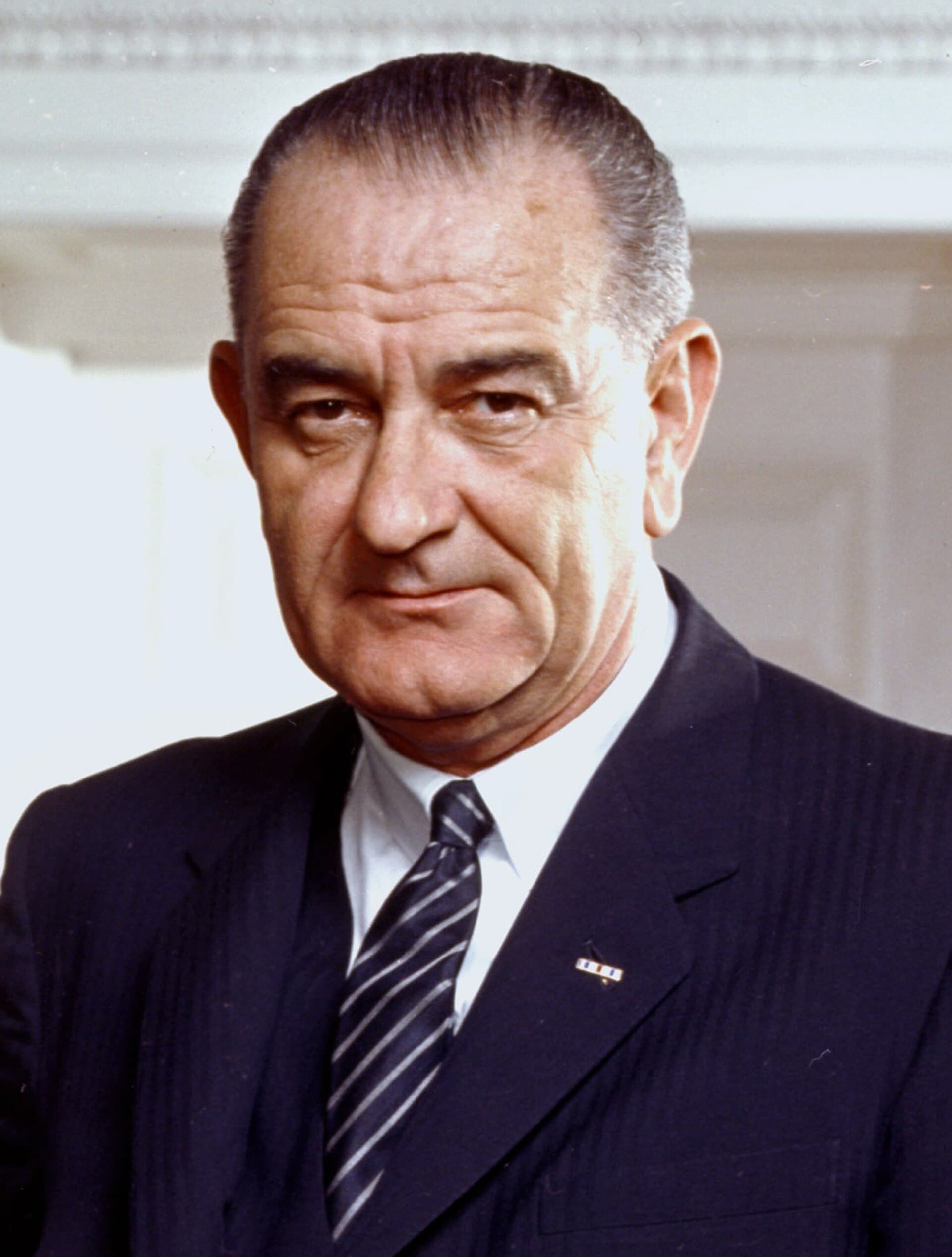
He ran for the Senate in 1948 against Lyndon Johnson, a congressman 20 years younger with an airplane and a helicopter. Stevenson led the first primary in July, 39.7 percent to 33.7. The runoff on August 28 came down to 988,295 votes, and for 5 days he led by 112. Then Precinct 13 in Alice found 202 more, 200 for Johnson, and Johnson won by 87.
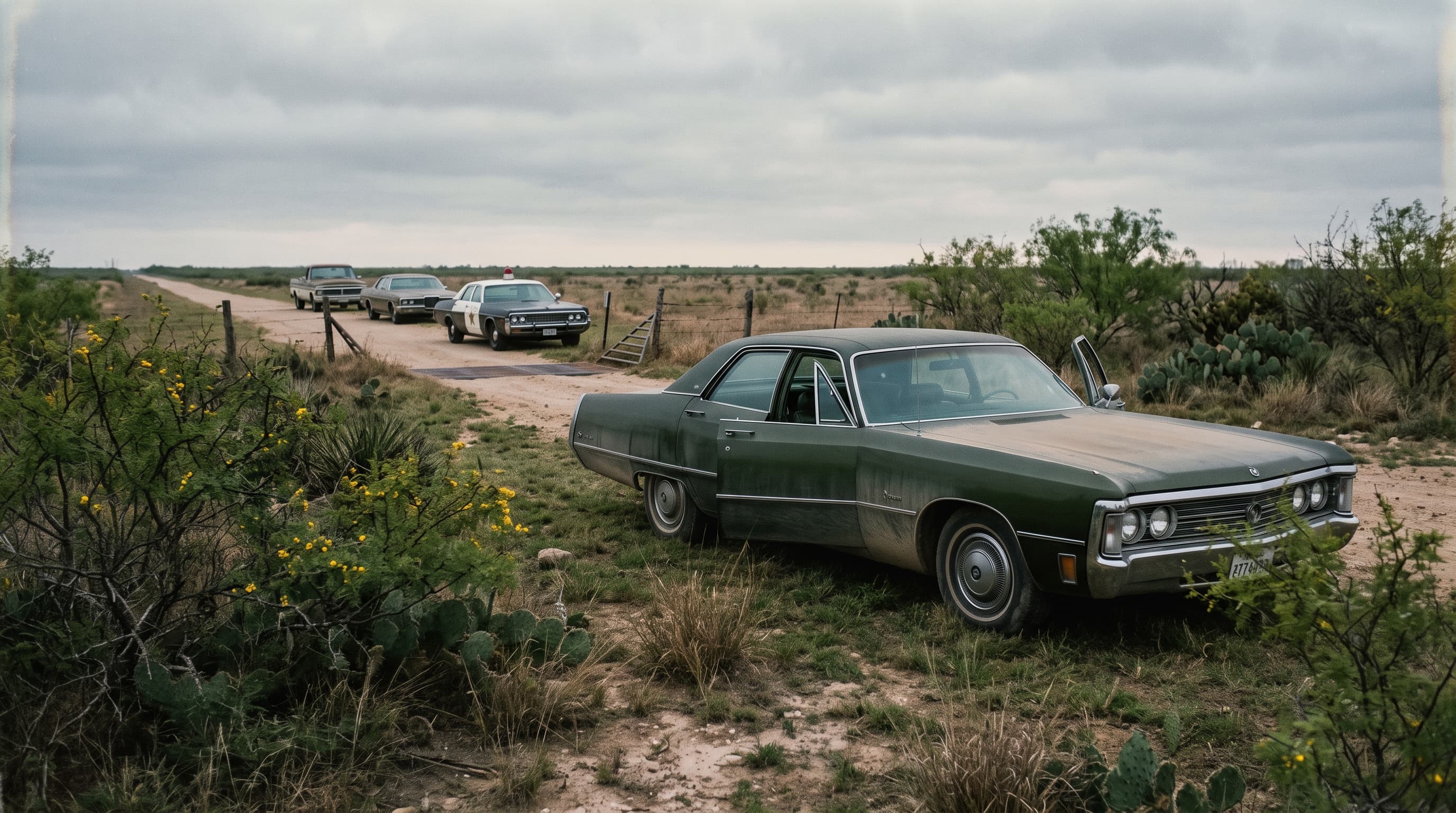
Stevenson's lawyers heard about the tally sheet locked in the Texas State Bank in Alice. He went himself, with Hamer, an old friend and hunting partner, and they got in to see it. Several of the people whose names were on the end of the list said they had never voted. The state Democratic executive committee certified Johnson anyway, 29 to 28, at midnight on September 13. A federal judge enjoined the result; at the end of the month Justice Hugo Black lifted the injunction on the grounds that a party, not a federal court, picks its nominee. The precinct's ballot box had vanished. The full story is in Duval County.
He never got a hearing on the merits. In 1952 the deputy who had killed Bill Mason wrote him from Huntsville saying he knew where the box was. Stevenson set out to see him. The man was found hanged in his cell before the visit.
After
He went home to his ranch at Telegraph, on the South Llano below Junction, about 15,000 acres, and stayed there for 27 years. He backed Jack Porter, the Republican, against Johnson that November and Republicans for president for the rest of his life, Eisenhower, Goldwater, Nixon. In 1954, at 65, he married Marguerite King Heap and had a daughter. He died in San Angelo on June 28, 1975, at 87, and is buried on the ranch. George Parr had shot himself 3 months earlier. The 1977 confession that confirmed what he had seen in the bank came 2 years too late for him to read it.
Sources: Handbook of Texas, Coke Robert Stevenson; Texas Politics Project, University of Texas, Governors of Texas; Robert Caro, "Means of Ascent" (Knopf, 1990); Southwest Collection, Texas Tech University, exhibit "Governor Coke Stevenson: Mr. Texas"; Associated Press, July 1977; Texas Legislative Reference Library.