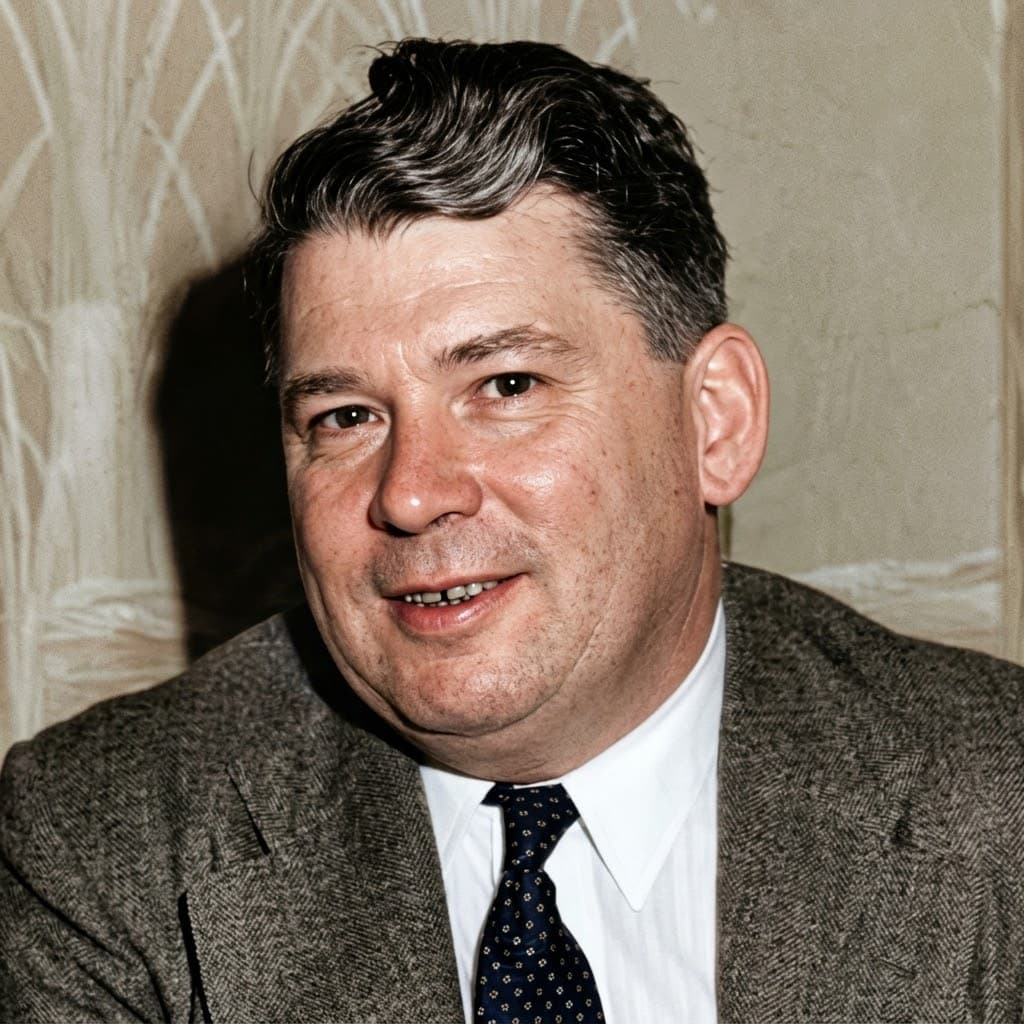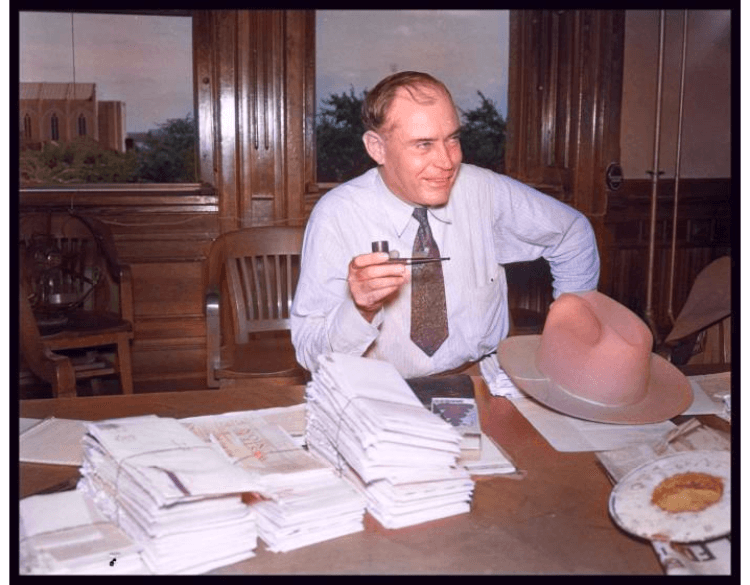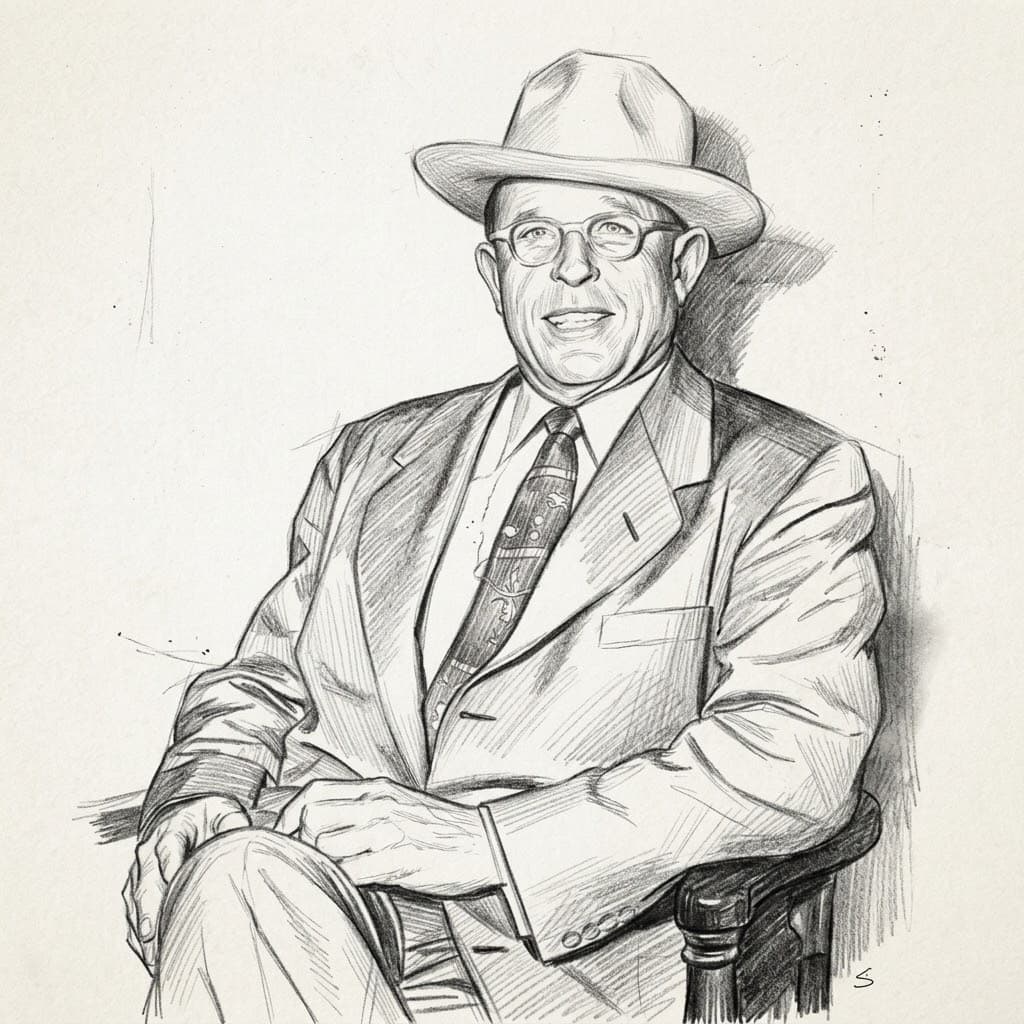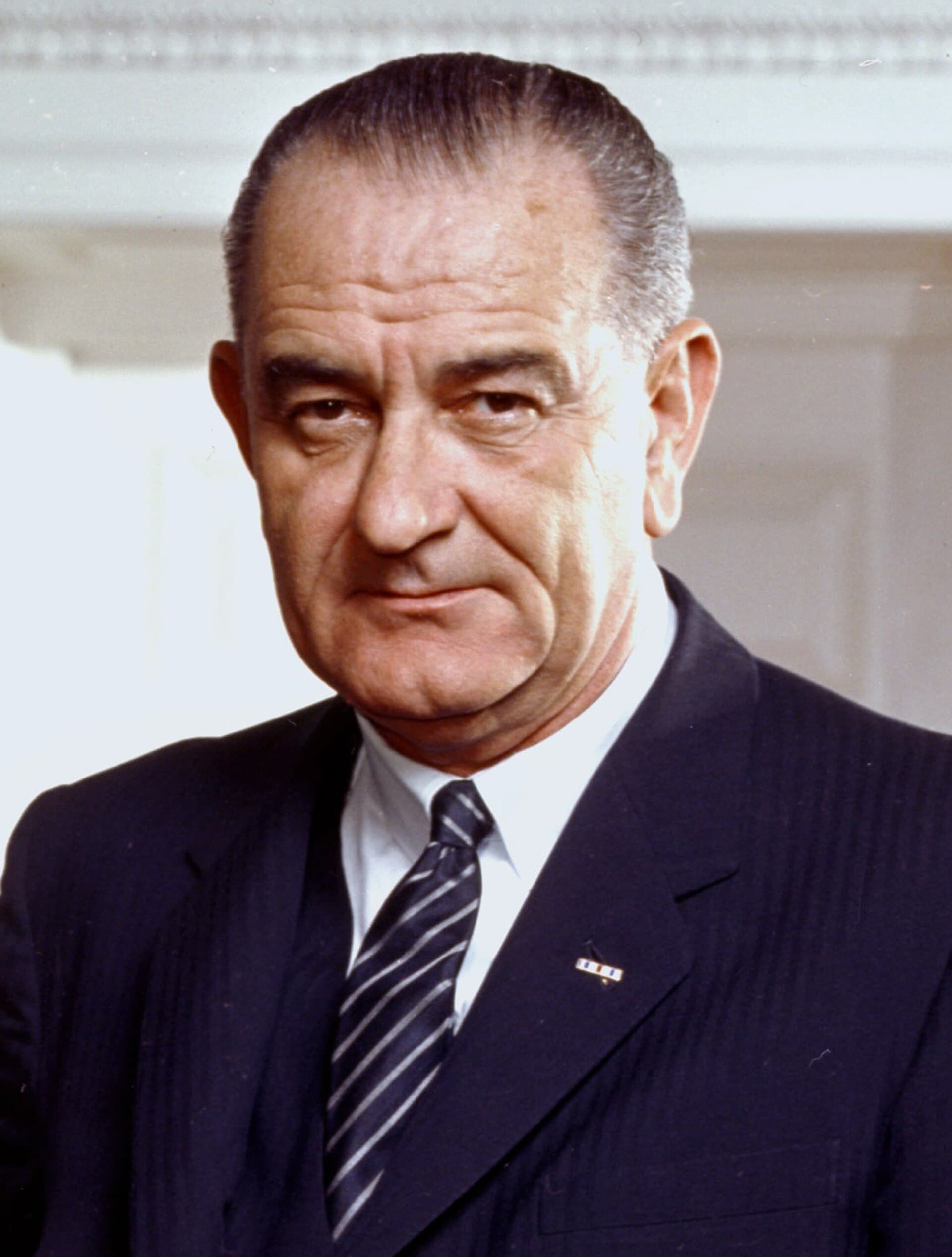
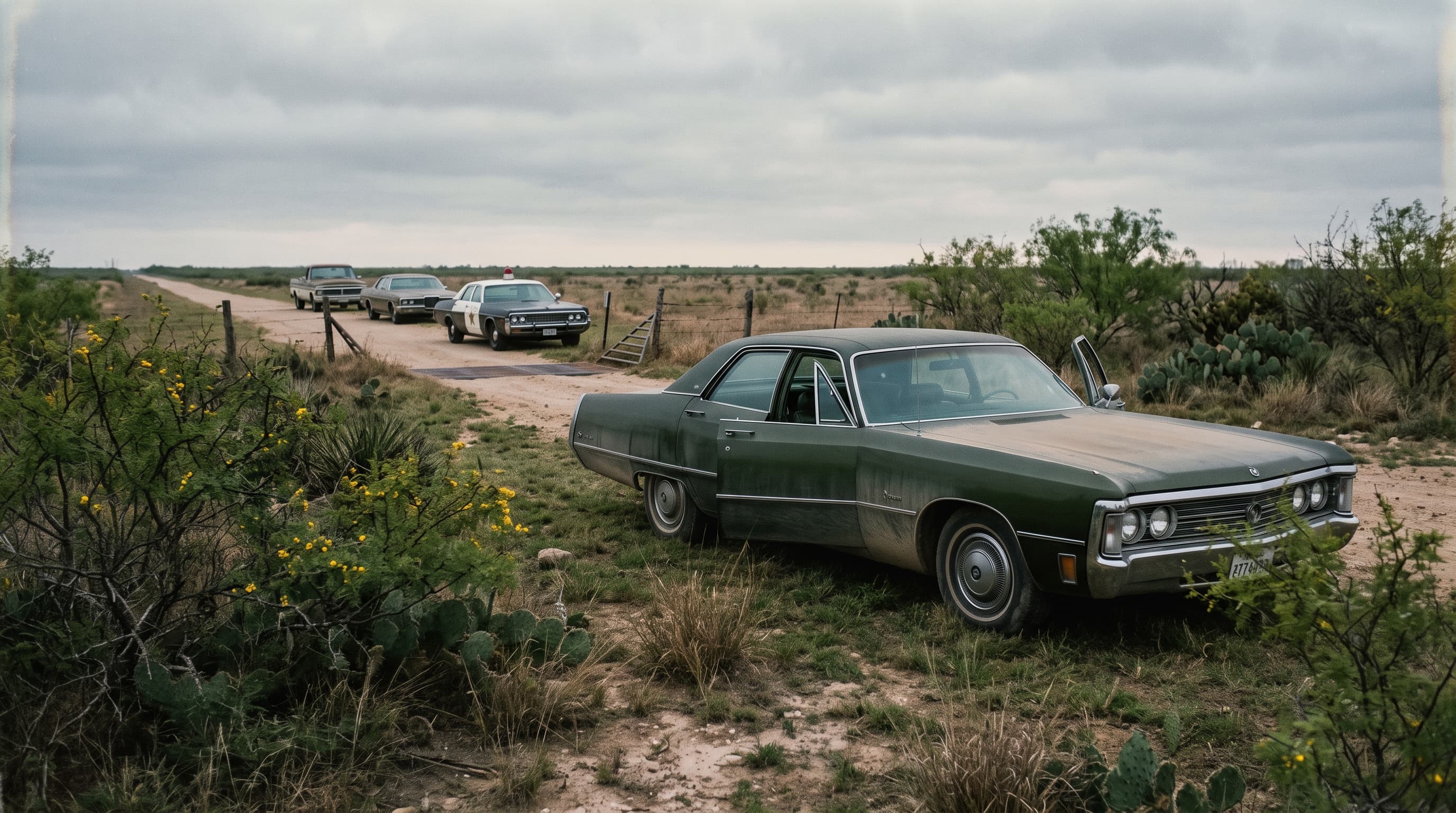
On the night of December 20, 1907, somebody fired a shotgun through the door of a restaurant in San Diego, Texas, and killed the Duval County tax assessor, a man named John Cleary. The town's lawmen were at a fiesta down the street. The music, by every account, drowned out the blast. A man was indicted. Two witnesses died. Nobody was ever convicted.
Cleary had run the county's politics. The man who stepped into the vacancy was a 48 year old former trail boss and ranch manager named Archie Parr, and for the next 68 years, through a state senate seat, a federal prison term, a presidential pardon, a stolen United States Senate election, 2 more murders, 650 indictments and a Supreme Court case, Duval County belonged to the Parrs.
The land it was all fought over is the South Texas brush country, 2 hours below San Antonio. We sell 67 tracts of it. It seemed worth explaining who used to own the votes.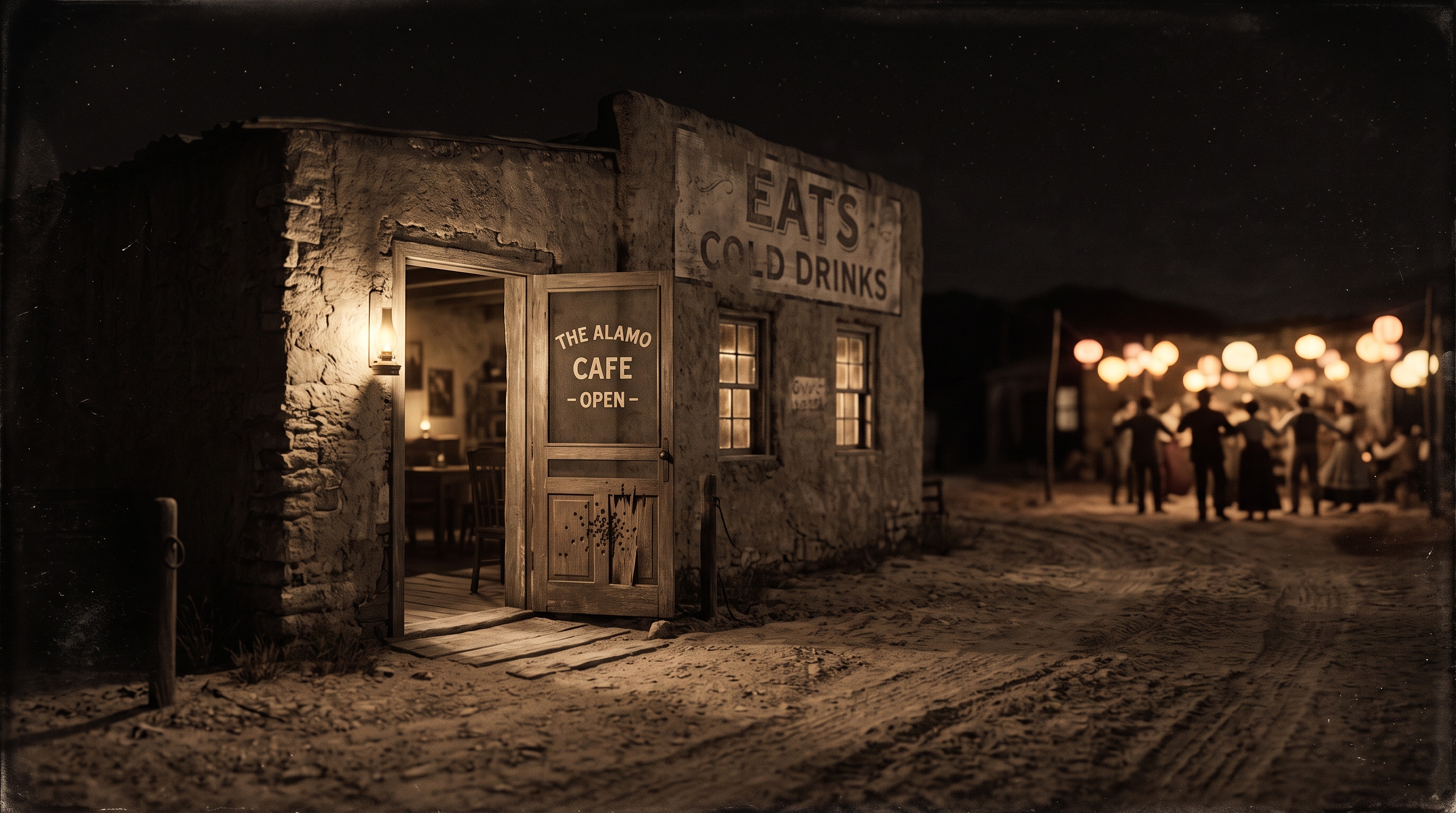
Archie Parr was born on Matagorda Island on Christmas Day, 1859, left school in the third grade, and was bossing cattle drives at 17. He came to Duval County in 1882 to manage the Sweden Ranch near Benavides, a place that is now a ghost town. He was elected county commissioner in 1898. After Cleary's death he built what the Handbook of Texas describes without much ceremony: a machine.
 The methods were simple and they worked for 2 generations. Opponents' poll tax payments were refused. Armed guards stood at the polls. Ballots were marked in advance for voters who could not read. The county treasury served, in the historians' phrase, as "a political slush fund." And in return the machine delivered, in Spanish, a kind of welfare that nobody else in South Texas was offering the Mexican American majority in 1910: a job, a loan, a doctor, a word with the judge. One Duval official described the arrangement, years later, as "frankly corrupt but fully benevolent."
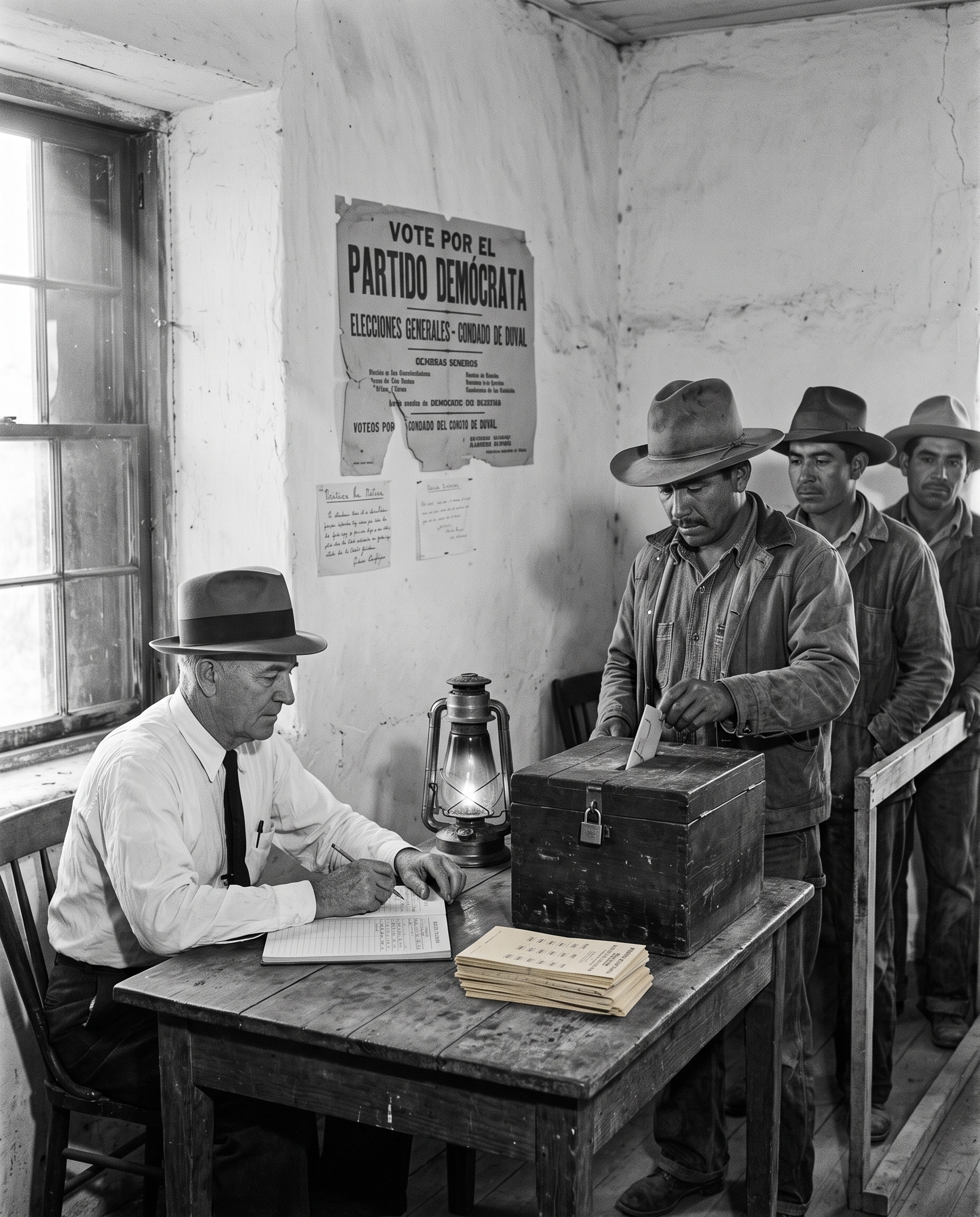 The numbers tell you how well it held. Duval County voted 94 percent Democratic in 1916, 98 percent in 1932, and 97 percent in 1948. The other 2 percent presumably moved.
It was not bloodless. On May 18, 1912, a rival faction led by the county's Democratic chairman shot 3 Mexican American county officials dead in the street in San Diego. Archie survived that, survived an attempt in 1913 to split his enemies off into a new county called Pat Dunn County with Benavides as its seat, served 20 years in the Texas Senate, and died in 1942. He is buried in Benavides.
 His son George was born in San Diego on March 1, 1901. He was a page in the state senate at 13, passed the bar in 1926 without a law degree, and was county judge the same year. The press called him the Duke of Duval. He did not object.
In 1934 the federal government convicted him of income tax evasion. He served 9 months at El Reno. On February 20, 1946, President Truman pardoned him, and the congressman who helped arrange it was a Hill Country schoolteacher's son named Lyndon Johnson. Two years later the favor came due.
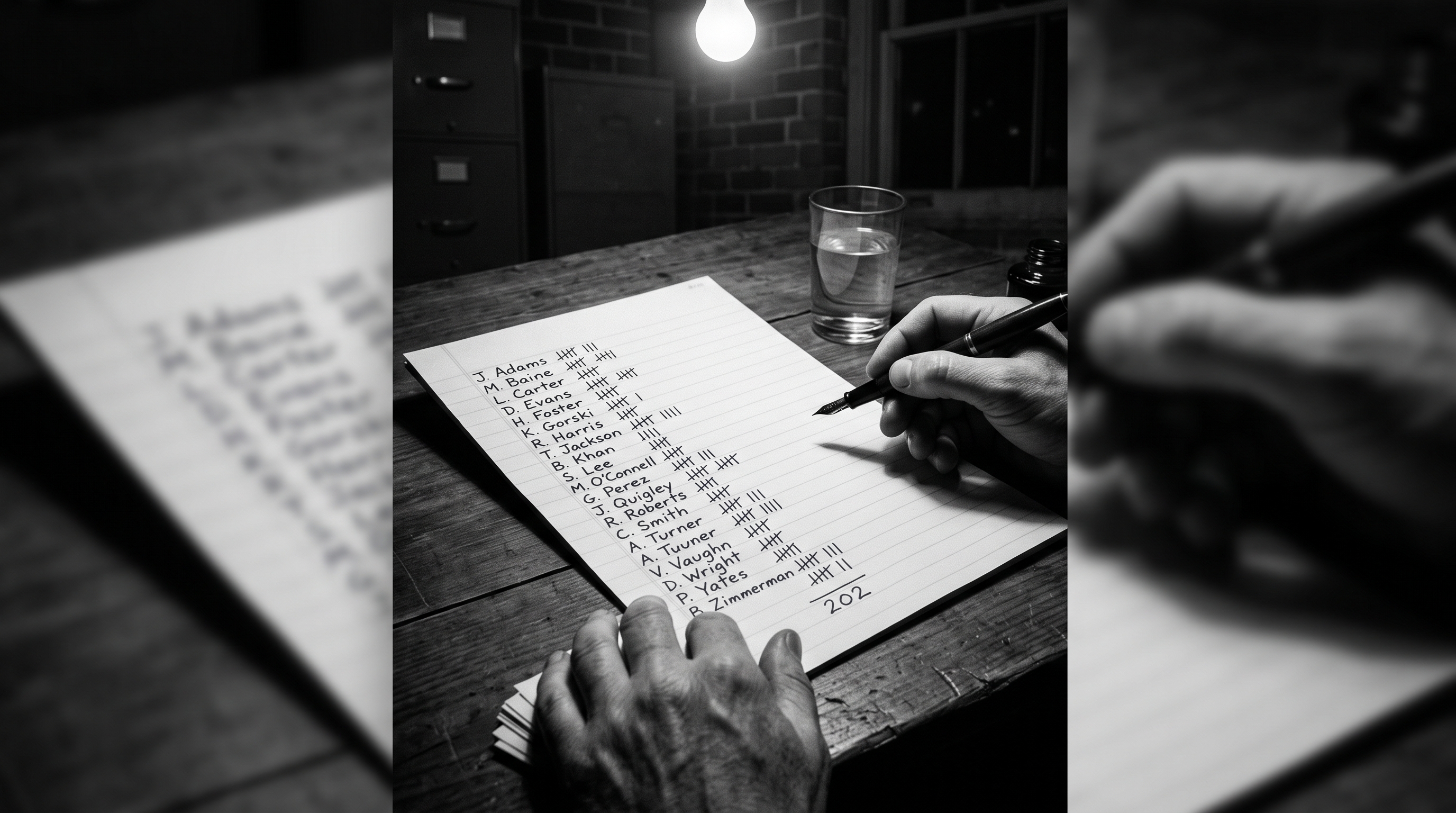
The 1948 Democratic runoff for the United States Senate, Johnson against former governor Coke Stevenson, was over on August 28. Stevenson led by 112 votes. He led for 5 days. Then Precinct 13 in Alice, in Jim Wells County next door, amended its return: 202 more votes, 200 for Johnson, 2 for Stevenson, the names written in alphabetical order in the same ink. Johnson won the state by 87 votes out of 988,295. The party's executive committee certified him 29 to 28. Justice Hugo Black lifted the federal injunction on the grounds that the party, not a federal court, picks its nominee. Johnson went to the Senate, then to the vice presidency, then to the White House.
Box 13 was in Alice. Alice is not in Duval County. Duval supplied the boss, not the box. The box belonged to a man named Luis Salas, the election judge in Precinct 13, and he kept his mouth shut for 29 years.
On July 18, 1977, Salas, then 76, sat down with an Associated Press reporter in Alice. "Johnson did not win the election," he said. "It was stolen for him." Salas said he had been in a meeting in Parr's office at which Johnson said, "If I can get 200 more votes, I've got it won," and Parr told Salas, in Spanish, to add 200. Two men copied names off the poll tax lists in the Adams Building in Alice around 9 that night. Salas said he warned Parr that an alphabetical list was a mistake. The reporter's tapes went to the Johnson presidential library in 2023, where you can listen to them. The clerk said it looked bad. It did, for 29 years.
 The machine's enemies did not do well.
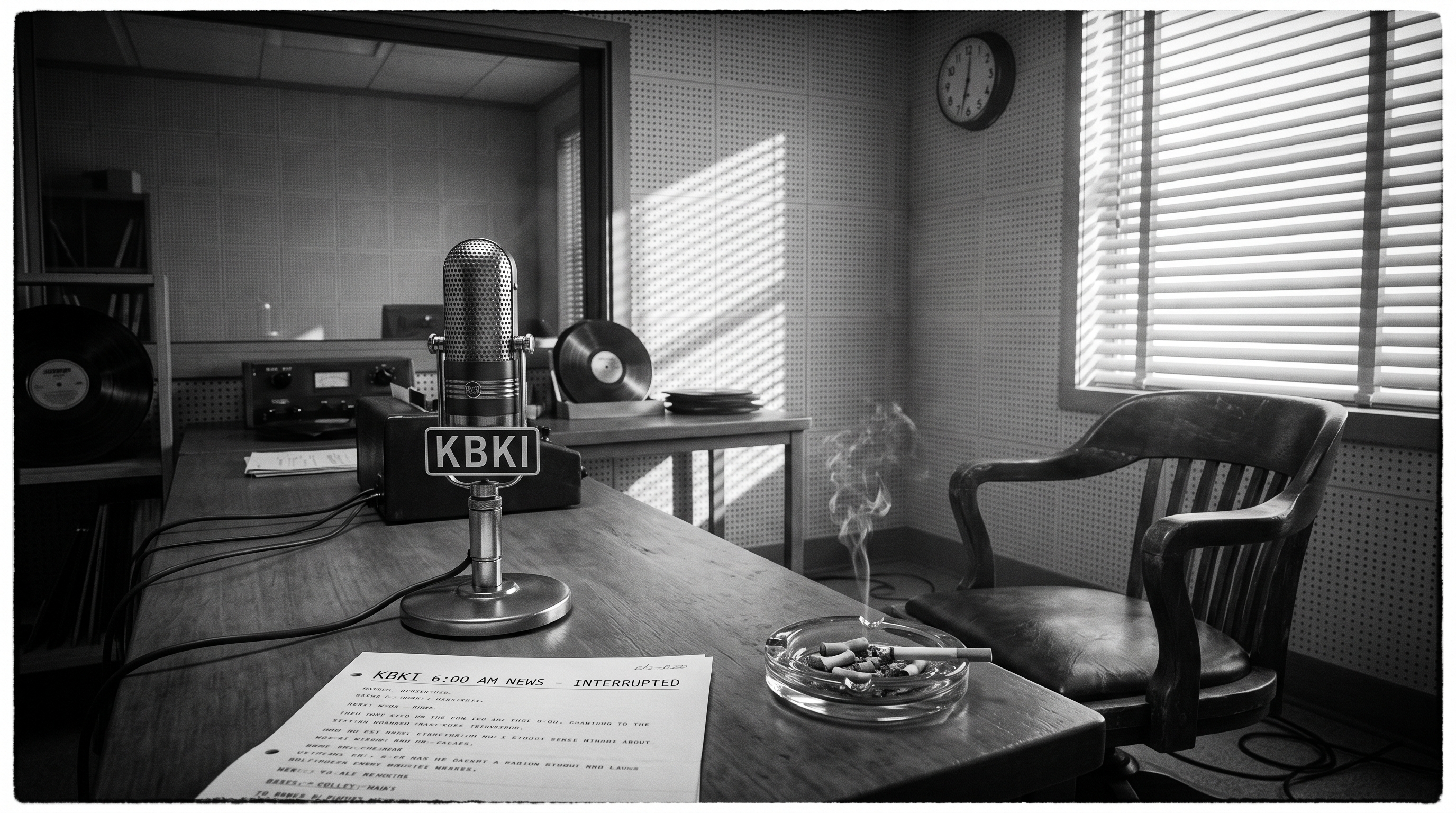
In 1949 a radio man named Bill Mason ran a daily show in Alice, "Bill Mason Speaks," on a station Parr part owned. On July 28 he named a deputy sheriff's dance hall on the air. On July 29 the deputy, Sam Smithwick, shot him in the chest with a .45 embossed with a deputy's badge. Smithwick got life, wrote Coke Stevenson from prison claiming he knew about Box 13, and hanged himself in Huntsville in 1952 before anyone could ask him.
On September 8, 1952, in Alice, 4 shots were fired near a garage at a 22 year old named Jacob Floyd Jr., who died the next day. His father was the lawyer for the Freedom Party, the anti Parr ticket, and nearly everyone who has written about it believes the father was the intended target. The gunman was never caught. An accomplice drew 99 years. The pistol was in a garbage can by the body.
In the 1950s the state and the federal government brought more than 650 indictments against the Parr organization. George beat most of them. His mail fraud conviction over Benavides school district money went to the Supreme Court, which reversed it in 1960. His nephew Archer, the county judge, drew a perjury conviction in 1975 for billing a water district $121,500 in legal fees with no paperwork.
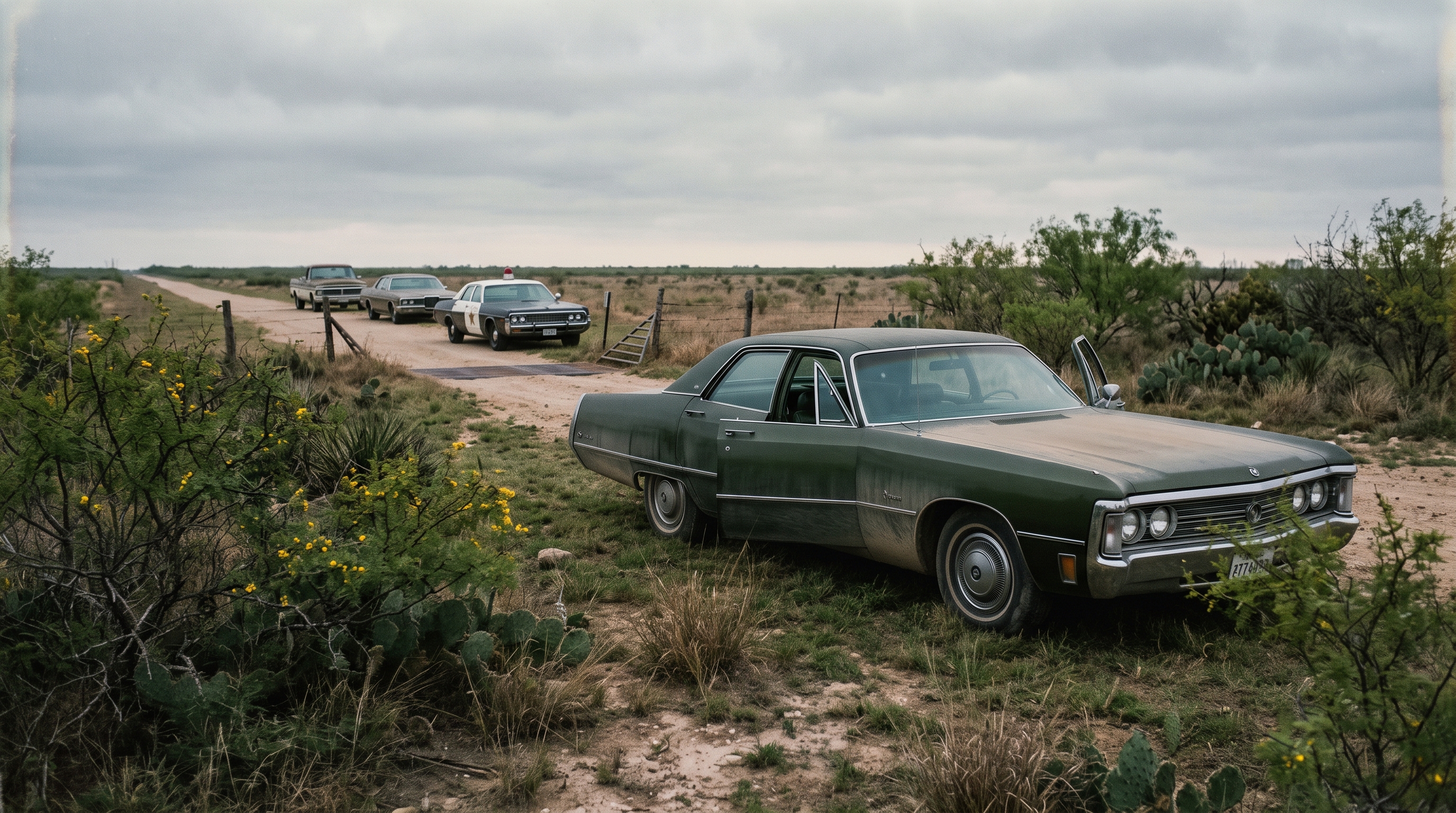 What finally got George Parr was a 1974 conviction for hiding $287,000 of income. At sentencing he told the court: "I'm not afraid. I just hope they don't have any bedbugs." On April 1, 1975, after losing his appeal and skipping a hearing to revoke his bond, he was found by sheriff's deputies, federal marshals and Texas Rangers slumped over the wheel of his 1969 Chrysler Imperial at the edge of a pasture on his ranch south of Benavides. A .45 lay beside him. There was no note. He beat the IRS, the Rangers, the mail fraud statute and 2 grand juries. A bond hearing finally did it.
It is worth asking what the Parrs were sitting on, because it was not nothing.
Oil was found in Duval County in 1905. The Freer wildcat came in in October 1928, the Government Wells field the same year, and by 1938 the county produced 20,289,399 barrels, third in Texas. Freer itself is named by elimination: when the settlers applied for a post office in 1925 they offered 3 names, Riley, Wendt and Freer, and Freer was the only one not already taken. By 2004 the county had produced 585 million barrels, and the Parr machine had taxed every one of them.
The county was also the end of the line. The Texas Mexican Railway was chartered in 1875 as a narrow gauge road from Corpus Christi to San Diego, 52 miles of 3 foot track finished in 1879, extended to Laredo in 1881 and run for decades by Mexican owners. Benavides exists because Placido Benavides gave 80 acres around the depot in 1881. Realitos, further down, got its name from the little camps, realitos, of Mexican officers who once held the ground, and was the headquarters of Archie Parr's bitterest enemy, the rancher Ed Lasater.
And in January 1915 a document dated at San Diego, Texas, and called the Plan of San Diego, proposed a general uprising along the border. The historians now believe it was written in a Monterrey jail and smuggled north to a 25 year old named Basilio Ramos, who had worked in San Diego for a Kansas City brewery and went to high school in Oklahoma. When he was arrested in McAllen with the plan in his pocket, the judge cut his bond to $100 and said he "ought to be tried for lunacy." He jumped bail. The raids that followed over the next 18 months, and the reprisals against Tejanos that followed the raids, killed at least 300 people and possibly many more. San Diego's name is on the worst year in the Rio Grande Valley's history, and the plan was probably not even written there.
The county the Parrs ran had 20,565 people in 1940. It has 9,831 now, 81 percent Hispanic, and the 1916 red brick courthouse in San Diego, built after the old one burned, is in the middle of a state funded restoration. The uranium plant at Rosita, between San Diego and Freer, restarted in November 2023, the first uranium produced in Texas in more than a decade. A solar developer wants to build near Benavides and spent the last week of September in front of the county's groundwater district explaining which aquifer it will drink from. A hydrogen company has announced a plan to store 6 terawatt hours of hydrogen in the Piedras Pintas salt dome, announced being the operative word.
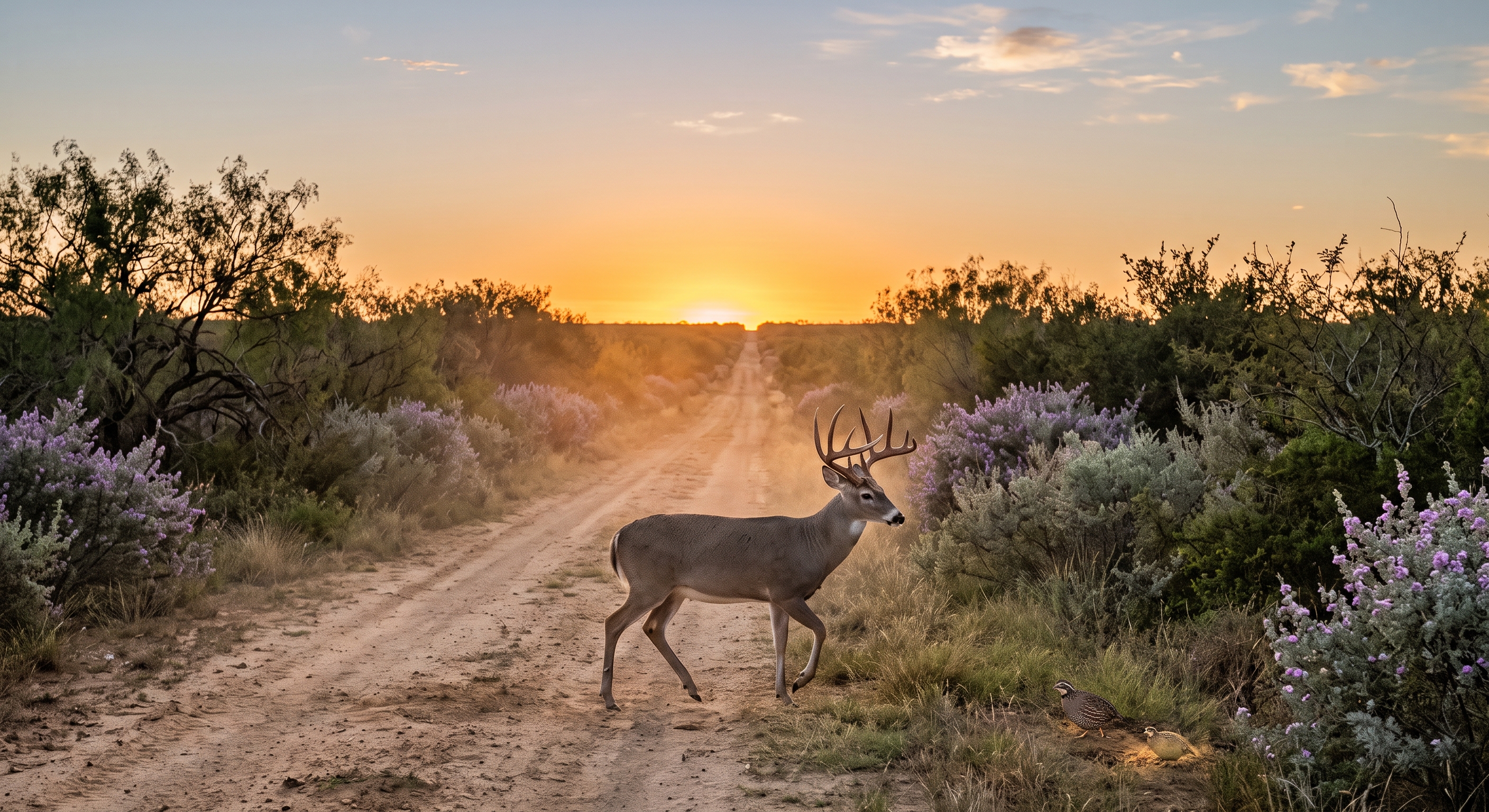 What has not changed is the brush. Mesquite, granjeno, huisache, catclaw, blackbrush, cenizo and guayacan, tall on the deep soils, short and dense on the caliche, cut through with senderos. Bobwhite and scaled quail, Rio Grande turkey, javelina, and the whitetail that made the county famous for reasons other than its politics. In 1965 a man named Leonel Garza started a deer contest at a Texaco station in Freer with 1 category, widest spread. The Muy Grande is now the oldest and largest deer contest in the state.
And here is the sentence we did not expect to find in a state economics report. The Texas A&M Real Estate Research Center, describing the South Texas land market this spring: "South Texas activity was marked by large properties that were subdivided and quickly sold as smaller parcels. Duval and Live Oak Counties were especially active."
That is our business, written up by an economist. South Texas sold 26 percent more tracts this year than last at essentially flat prices, $6,225 an acre on the region's average, and Duval was where a good share of them sold.
Ours are these. Tortuga Ranch, 34 tracts from $54,795. 44 Ranch North, 16 tracts from $59,560, and 44 Ranch South, 7 from $59,500. Soledad Creek, 6 tracts from $62,088, on the creek of the same name that rises 4 miles southwest of Freer and runs 12 miles north; soledad means solitude, and the creek was named before anyone sold it by the acre. Sendero Creek, 2 tracts from $56,500. Quail Run, 2 from $65,962. All surveyed, all with a road to the gate, all financed by us, in house, with the monthly figure on every tract page.
For 68 years the Parrs decided who got what in Duval County, and the price of a favor was a vote. The brush outlasted them. It is for sale now on plainer terms.
Sources: Handbook of Texas, entries for Archer Parr, George Berham Parr, Duval County, San Diego, Realitos, Benavides, Freer, the Texas Mexican Railway, Soledad Creek, the Plan of San Diego and Basilio Ramos Jr.; Parr v. United States, 363 U.S. 370 (1960); United States v. Parr, 516 F.2d 458 (5th Cir. 1975); Sapet v. State, Texas Court of Criminal Appeals, 1954; Time, "Texas: Death of a Duke," April 1975; Associated Press, July 1977, and the LBJ Presidential Library's 2023 release of the Mangan tapes; Texas Real Estate Research Center, "Texas Rural Land Markets, Second Quarter 2026" and "Lay of the Land"; Texas Historical Commission, Courthouse Cornerstones 2025; Texas Parks and Wildlife, South Texas Plains vegetation; Muy Grande Deer Contest history; United States Census Bureau; KRIS TV, enCore Energy Rosita restart; Energy Information Administration, 2025 uranium production.