At his sentencing in 1974 George Parr, 73, told the court: "I'm not afraid. I just hope they don't have any bedbugs." He had been beating the federal government since Franklin Roosevelt's first term. He had one more year.
The heir
He was born in San Diego, the county seat, on March 1, 1901, the youngest child of Archie Parr, who ran Duval County the way a foreman runs a ranch. George was a page in his father's state senate at 13, played football at Corpus Christi High School, and drifted through Texas A&M, the University of Texas and Southwestern before sitting in on law classes at UT as a special student in 1923. He passed the bar in 1926 without a degree. The same year his brother Givens left the county judgeship and George, 25, was appointed to finish the term. He married Thelma Duckworth, his high school sweetheart, in 1923. They divorced, remarried, and divorced again in 1949; he later married Eva Perez.
The newspapers called him the Duke of Duval. The county itself is the subject of Duval County.
El Reno and the pardon
In 1932 a federal grand jury indicted him for income tax evasion over $25,000 from a road contractor that had not made it onto his return. He got probation, violated it, and in 1936 and 1937 served 9 months at the federal institution at El Reno, Oklahoma. He came home a felon who could not hold office, which in Duval County did not matter much.
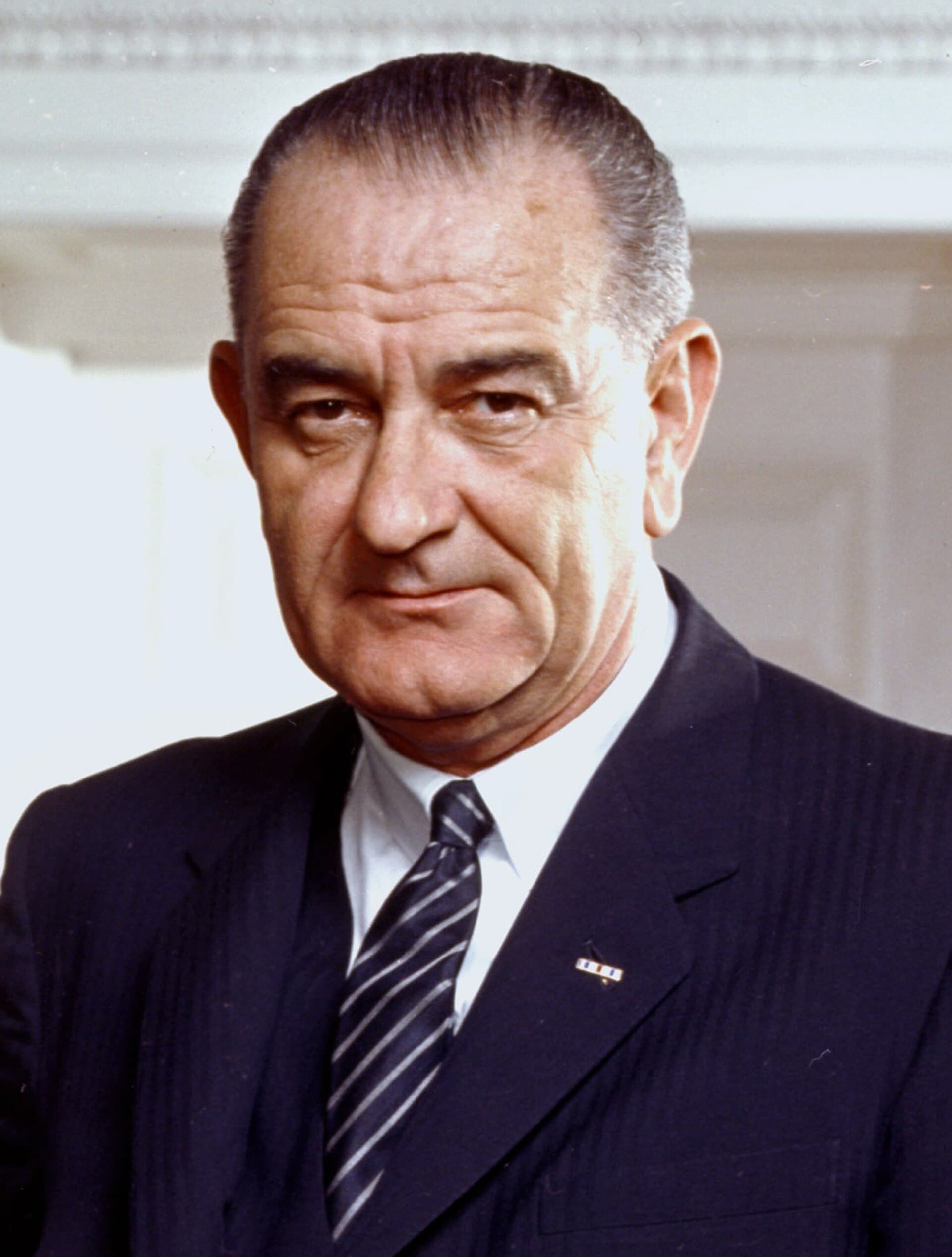
He applied for a pardon in July 1943. Attorney General Francis Biddle sat on it. When a Texan, Tom Clark, replaced Biddle, the application moved, with a Hill Country congressman named Lyndon Johnson pushing from the House side, and on February 20, 1946, President Truman signed it. Parr believed Johnson had done it for him. Two years later he showed his gratitude.
1948
The Democratic runoff for the United States Senate on August 28, 1948, Johnson against former governor Coke Stevenson, was close enough that for 5 days Stevenson led. On September 3, Precinct 13 in Alice, in Jim Wells County next door, amended its return by 202 votes, 200 of them for Johnson. Duval itself reported 4,195 for Johnson and 38 for Stevenson. Johnson won the state by 87 votes out of 988,295. Stevenson came to Alice with Frank Hamer and looked at the tally sheet. The party certified Johnson 29 to 28. A federal judge stopped it and Justice Hugo Black started it again.
Parr never said a word about it on the record. The election judge, Luis Salas, said plenty 29 years later: that in a meeting in Parr's office Johnson said 200 more votes would do it, and that Parr told Salas, in Spanish, to add them. The Handbook of Texas puts it this way: Jim Wells County election officials, "probably acting on Parr's orders," reported an additional 202 votes for Johnson a week after the runoff, and the manipulation "was almost certainly directed by Parr."
The bad years
The enemies of the machine did poorly after that. In July 1949 Bill Mason, a radio commentator on an Alice station Parr partly owned, named a deputy's dance hall on the air and was shot dead the next day by the deputy, Sam Smithwick. In September 1952 the son of Jake Floyd, the lawyer for the anti Parr Freedom Party, was shot dead in Alice by a gunman nearly everyone believes was sent for the father.
Then the state and federal governments came. Across the 1950s the machine drew some 650 indictments, about 300 of them state. Parr won nearly all of it. He made himself sheriff of Duval County in 1954. A 1954 federal tax indictment bounced from Corpus Christi to Laredo to Austin and reached the Supreme Court in 1956. A mail fraud conviction over the Benavides school district's money, more than $200,000 siphoned from it, was reversed by the Supreme Court in 1960.
The pasture
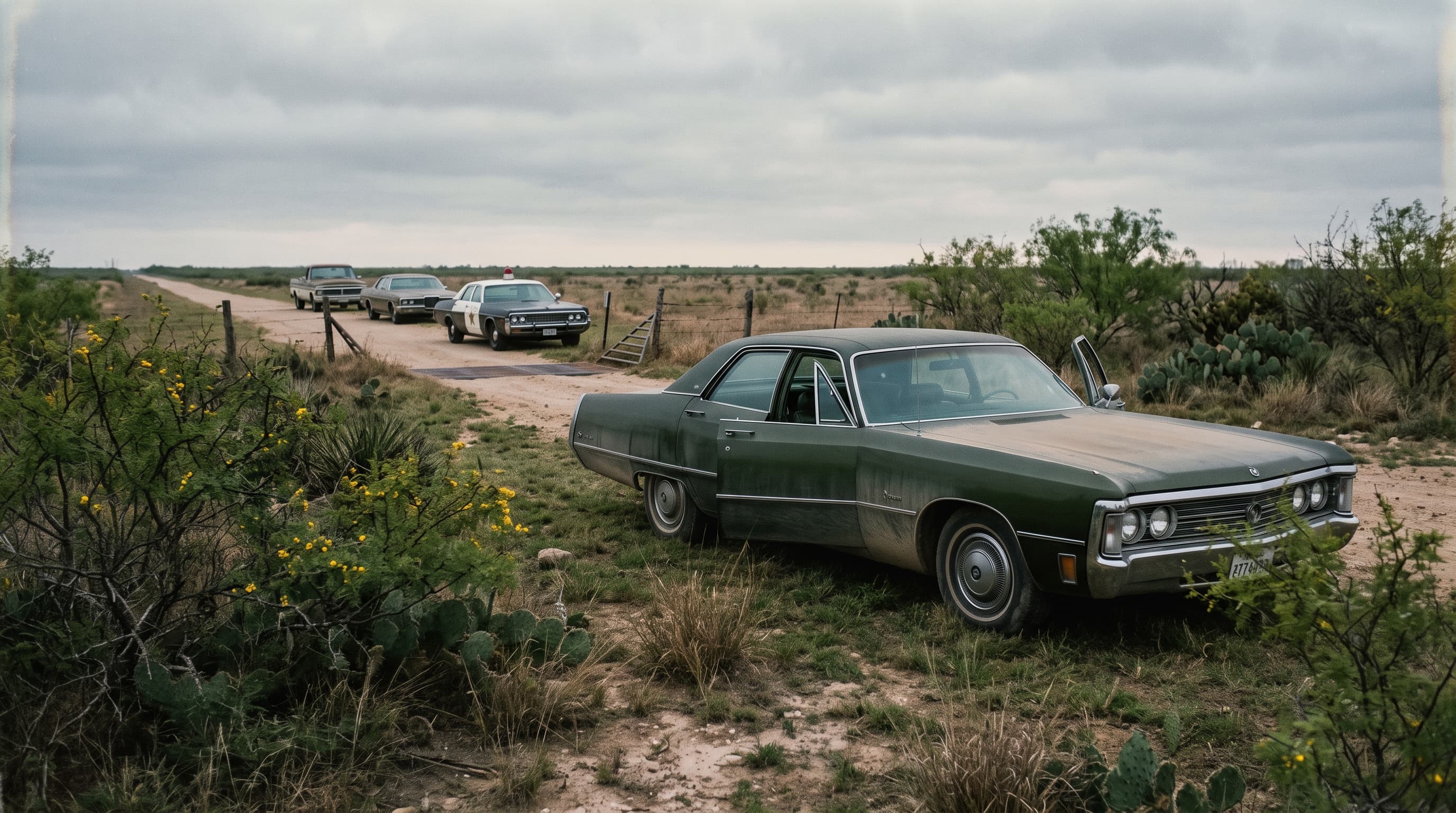
What finally held was a 1974 conviction for failing to report $287,000 of income from 1966 through 1969. He lost the appeal in March 1975. A hearing to revoke his bond was set for April 1, after word reached the court that he was carrying a pistol. He did not go. That afternoon sheriff's deputies, federal marshals and Texas Rangers found him at his Los Horcones ranch south of Benavides, slumped over the wheel of his 1969 Chrysler Imperial at the edge of a pasture near a windmill, a .45 beside him. There was no note. He was 74.
His nephew Archer, Archie's adopted grandson and the county judge since 1959, had been convicted of perjury weeks earlier for $121,500 in water district legal fees he could not document. With the 2 of them gone the machine was over, 68 years after John Cleary was shot through a restaurant door.
George Parr is buried in Benavides, near his father.
Sources: Handbook of Texas, entries for George Berham Parr, Archer Parr and Duval County; Dudley Lynch, "The Duke of Duval: The Life and Times of George B. Parr" (Texian Press, 1976); Robert Caro, "Means of Ascent" (Knopf, 1990); Parr v. United States, 351 U.S. 513 (1956); Parr v. United States, 363 U.S. 370 (1960); United States v. Parr, 509 F.2d 1381 (5th Cir. 1975); United States v. Archer Parr, 516 F.2d 458 (5th Cir. 1975); Time, "Texas: Death of a Duke," April 14, 1975; Associated Press, July 1977, and the LBJ Presidential Library's 2023 release of the Mangan tapes; Anthony Carrozza, "Dukes of Duval County" (University of Oklahoma Press, 2017).