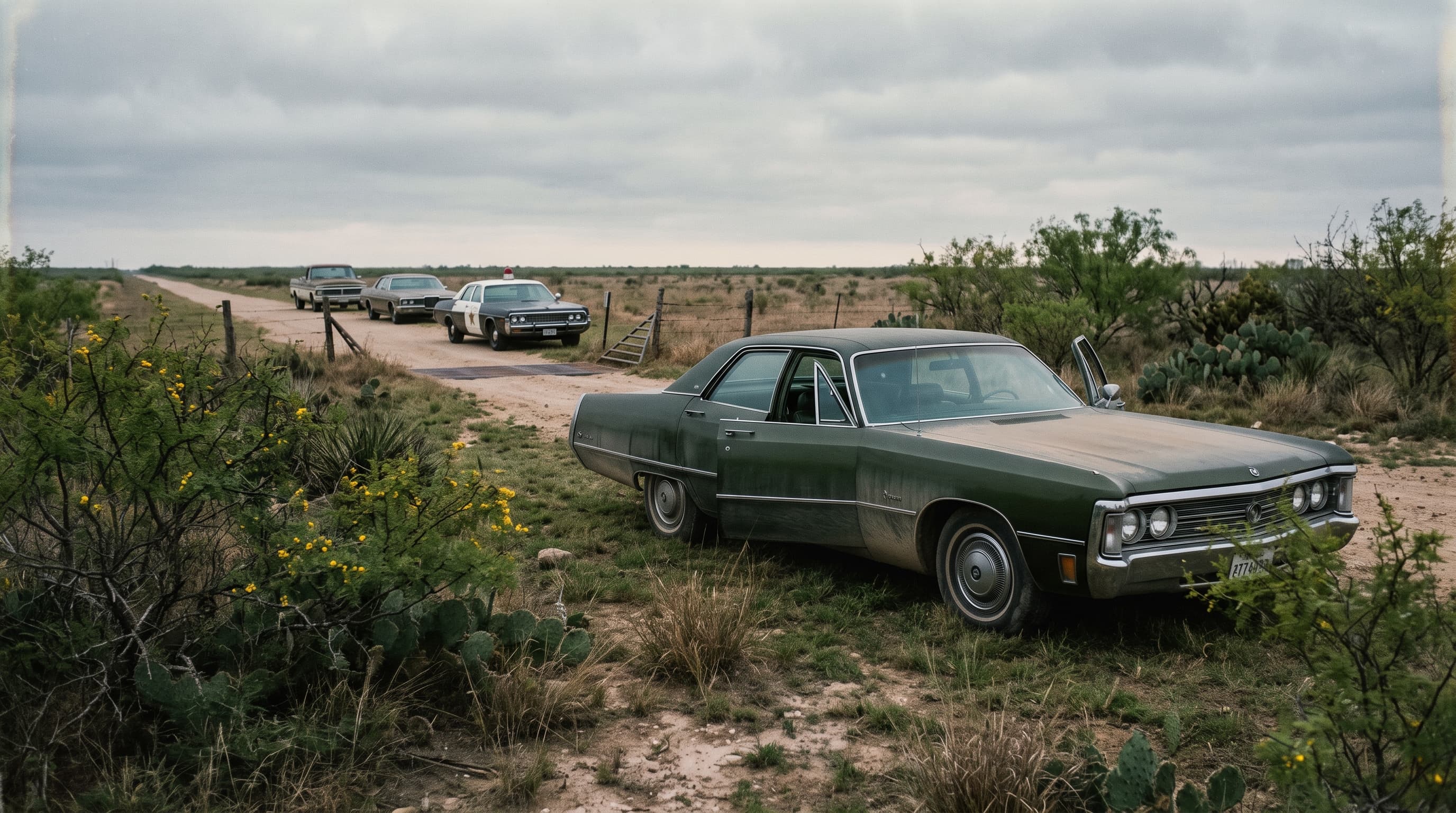
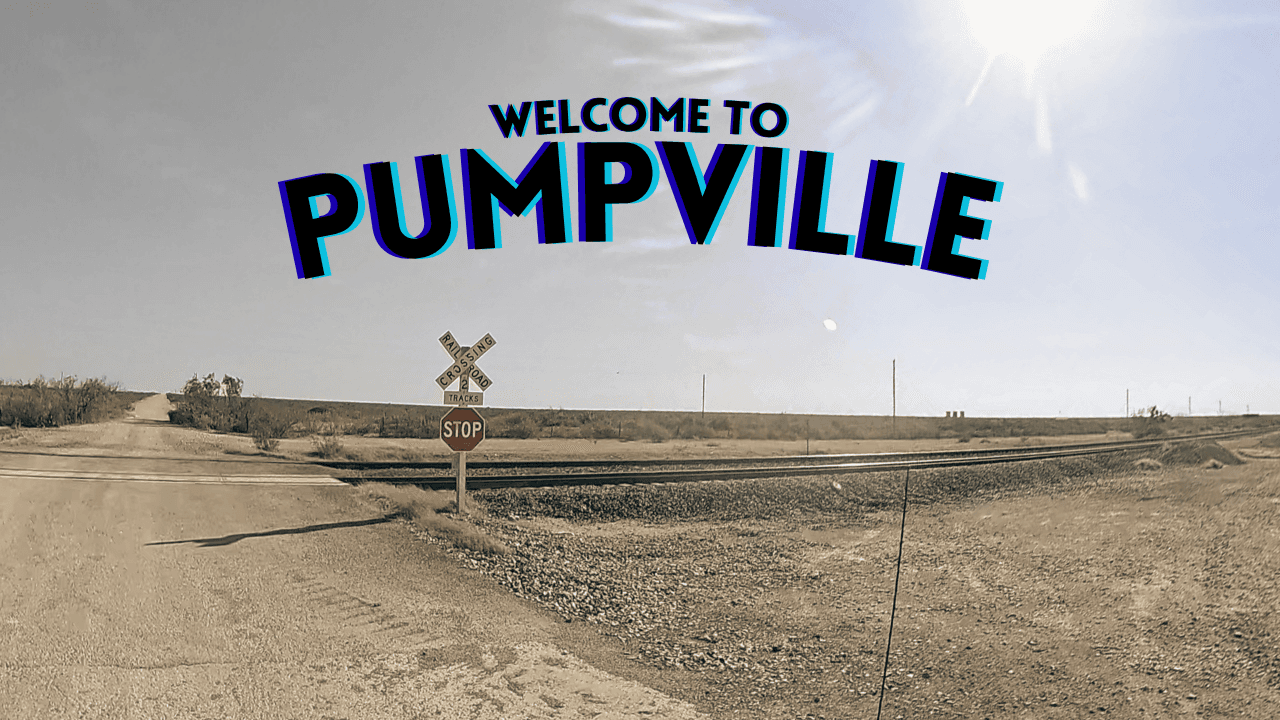
Drive west out of Del Rio on Highway 90, past the point where the mesquite starts losing arguments with the rock, and you will pass a sign for a town that is not there anymore.
Pumpville, Texas. Population: approximately nobody.
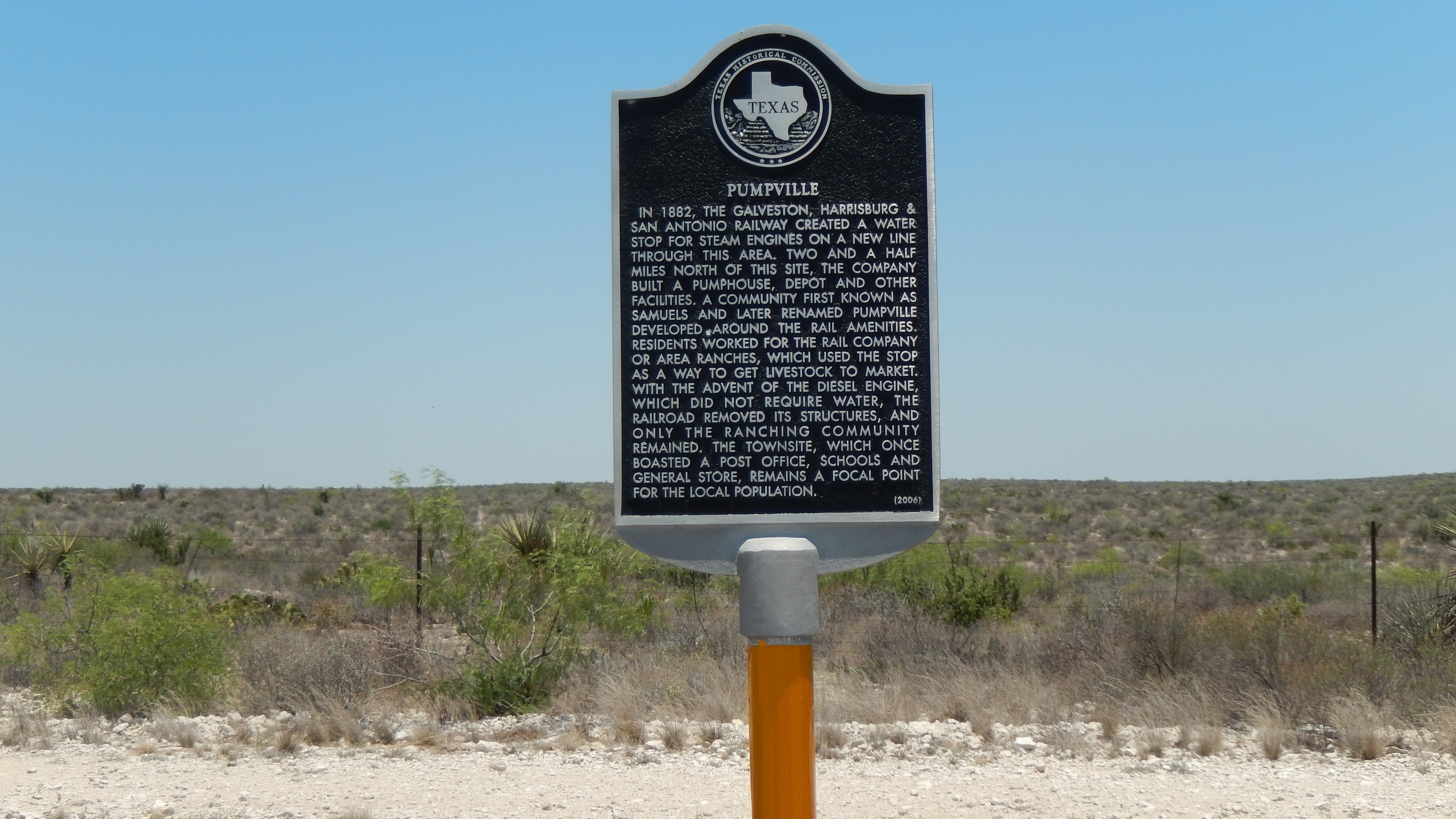
It did not start as Pumpville. When the Galveston, Harrisburg and San Antonio Railway came building through Val Verde County in 1882, they put down a water station, a telegraph office, and a crew point, and called the place Samuels. Steam engines are thirsty machines, and the country west of the Pecos is not a place that hands out water freely. So in 1887 the railroad drilled wells there to keep the locomotives fed, and the station got a new name that said exactly what it was for.
Pumpville. A town named after its job.
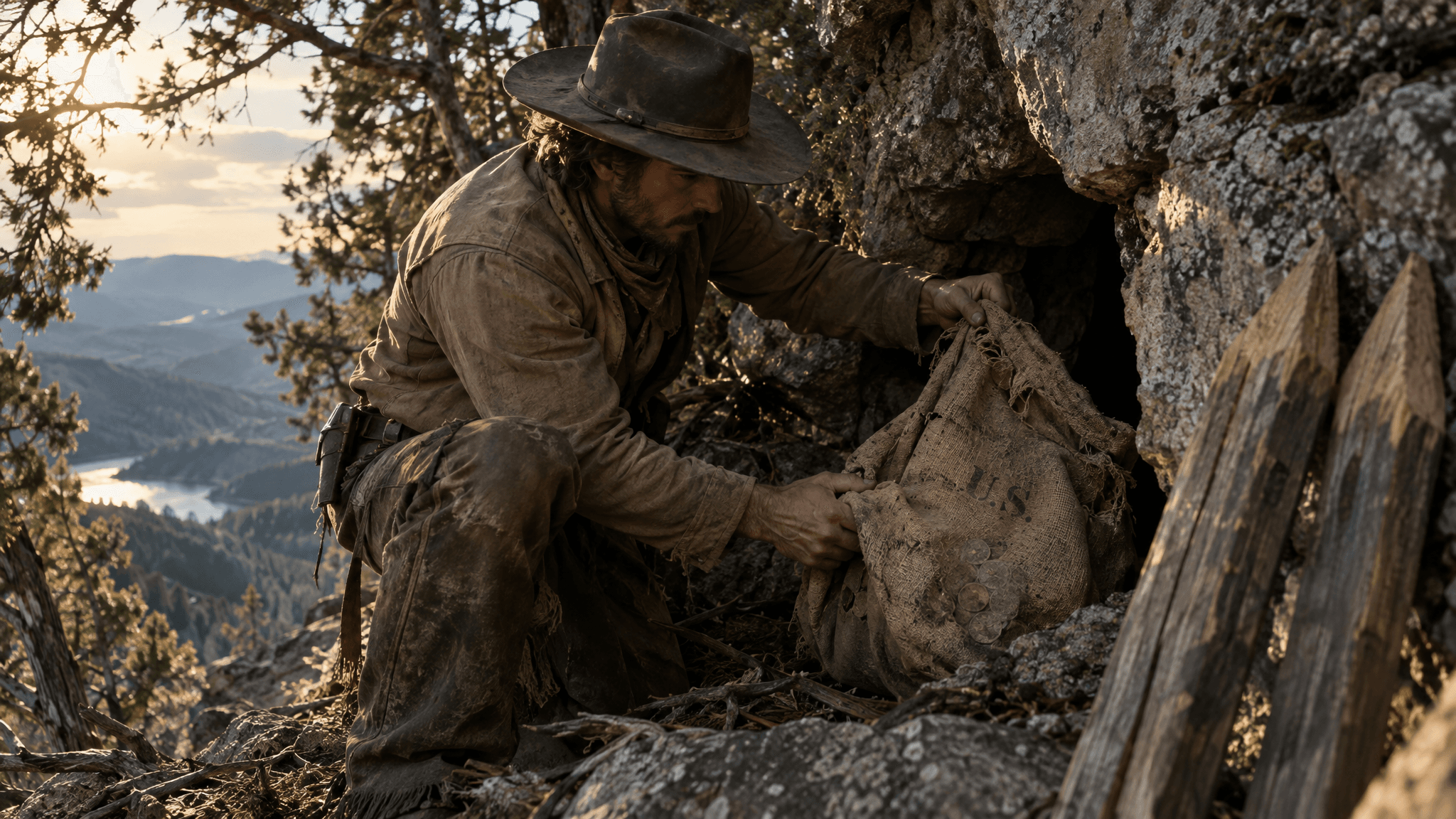
For a while the job was good. There was enough out there to hold a depot, a store, a school, and eventually a service station. In August of 1889 a westbound passenger train got robbed near town, which tells you two things: there was money moving through Pumpville, and somebody knew it. The Pumpville Baptist Church went up in 1930 on land donated by a rancher named Earnest P. Bradford, and it is still the building people photograph when they make the drive today. Out past the Pecos, a church that outlives its town is not unusual. It is practically the pattern.
Then the diesels came.
Diesels do not drink. That is the whole story of Pumpville's decline in three words, but the long version goes like this: after World War II the Southern Pacific started pulling its people out. The depot closed in 1952. In 1955 the railroad abandoned the water service entirely, because by then there was not a steam engine left on the line that needed it. The town had one job, the job ended, and Pumpville faded the way most things fade out there, slowly and without much ceremony.
Nobody held a funeral. The trains still run right through, they just do not stop.
What the railroad left behind
Here is the thing about a ghost town: the town is the part that dies. The country does not go anywhere.
And the country around Pumpville is the real story. This is far West Texas, the hard, open stretch of Val Verde County where the Pecos River finishes its run to the Rio Grande. Big sky in every direction. Ground that has not changed much since the last railroad man turned off the pumps. The kind of quiet you can hear your heartbeat in, which is not a figure of speech out there so much as a clinical observation.
That quiet is why Pumpville is not entirely a past-tense place anymore. People want it again. Not the depot or the telegraph office, but the thing underneath: distance, dark skies, land that asks nothing of you except that you stand on it once in a while and look around.
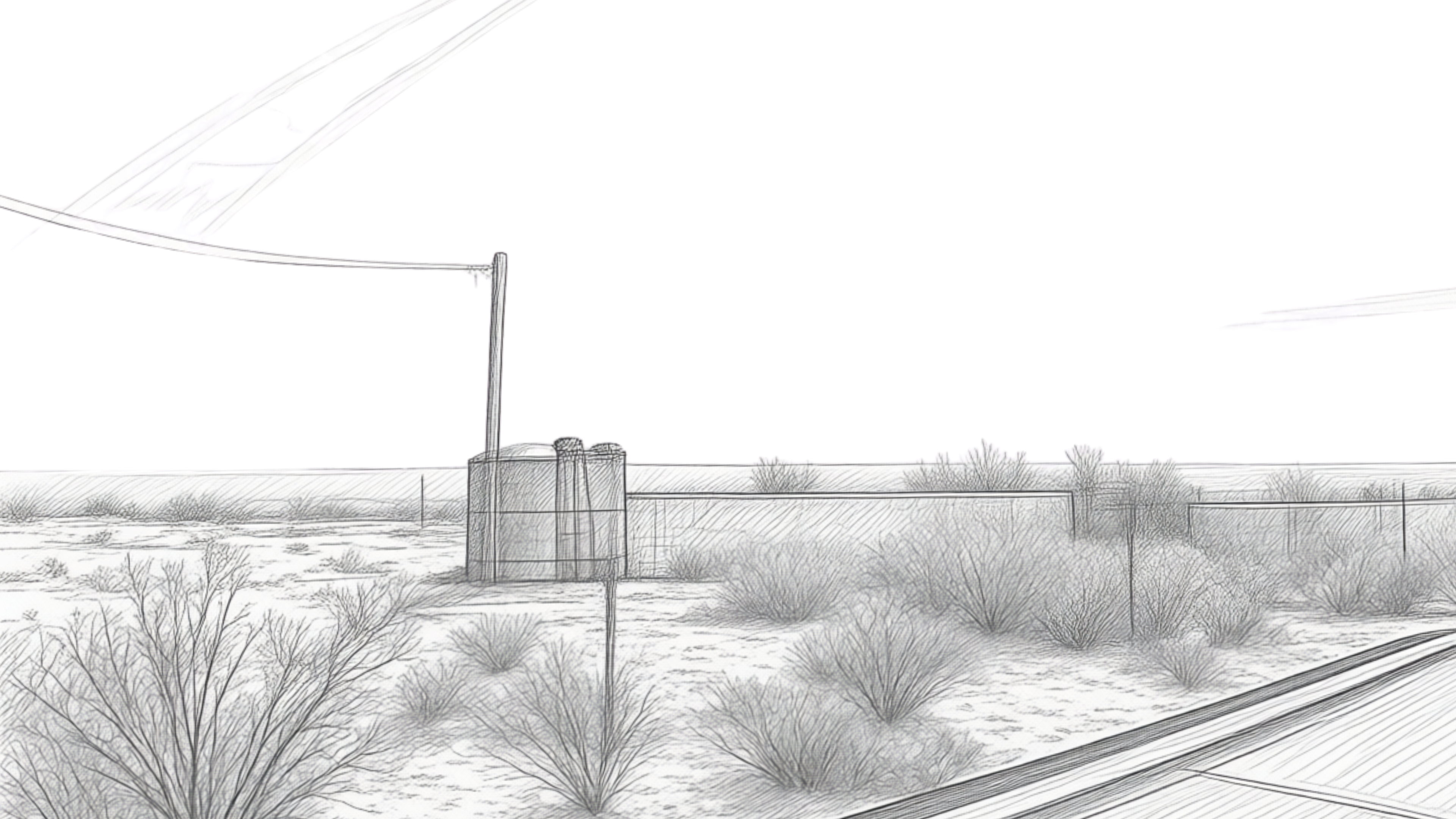
Our corner of it
We put a ranch out there because we think this country sells itself to the right person, and we named it what the map names it: Pumpville Ranch.
37 surveyed tracts in Val Verde County, starting at $108,409, every one of them owner financed like everything we sell. We carry the note in house. No bank, no committee, nobody in a city office deciding whether you deserve a piece of ground the railroad gave up on 70 years ago. The tracts are surveyed with deeded access, the restrictions are light, and there is no commercial hunting to crowd the country.
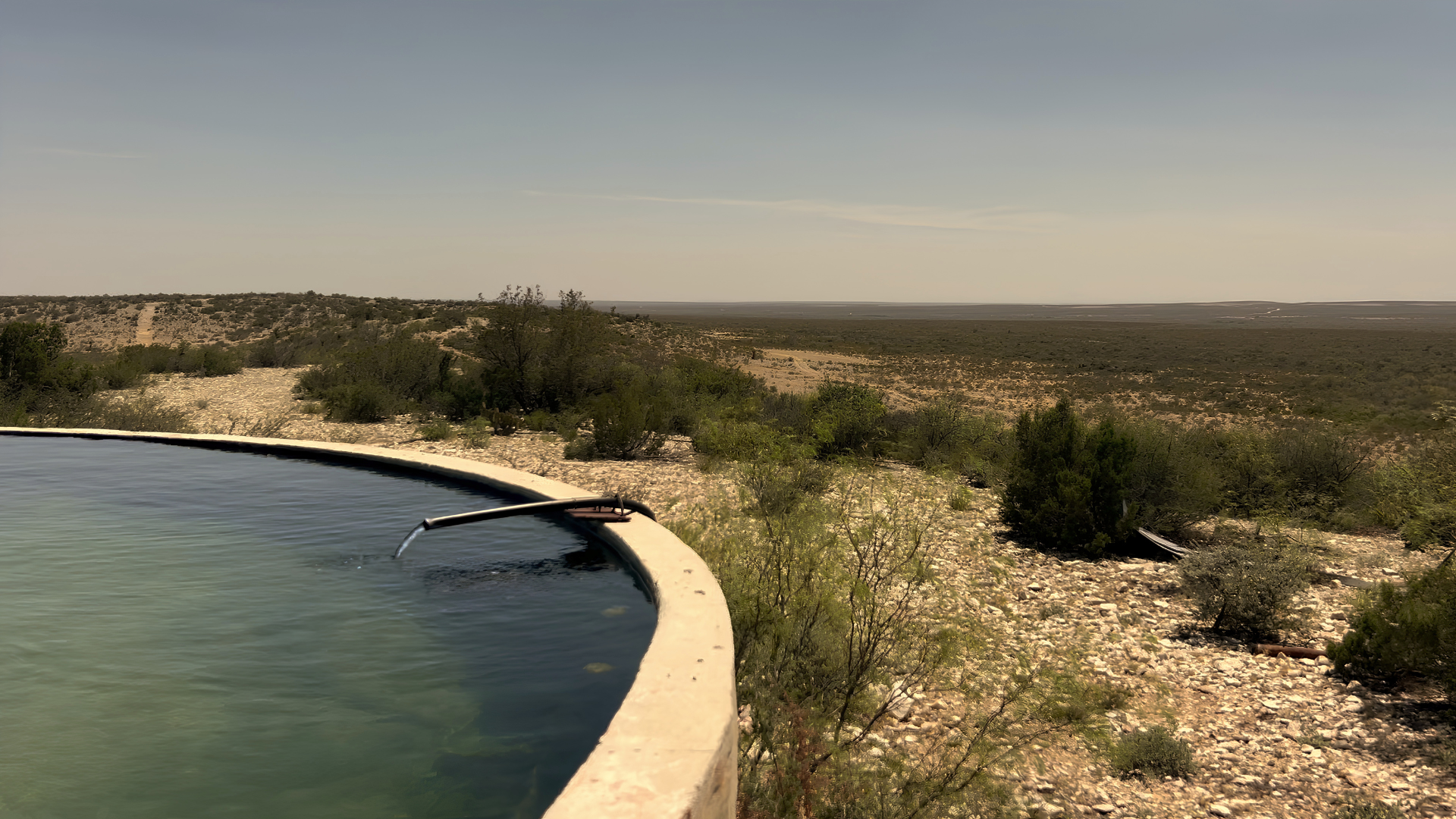
What do you do with land near a ghost town? Mostly what the ghost town could not: stay. Hunt it. Camp on it. Put up something small and watch the same trains that never stop, going somewhere that is not your problem. The stars out there run all the way down to the horizon, because the nearest streetlight has a very long drive to reach you.
The railroad quit needing the water. Nobody ever quit needing the quiet.
Come walk it. We will meet you at the gate, and if the wind is right you can stand where the depot was and hear a train call out from a long way off, passing through a town named after a job that finished in 1955.
Town history from the Handbook of Texas, Texas State Historical Association. Tract count and pricing current as of publication; the ranch page has today's numbers.